Oil Spill At Port Of Antwerp Halts Shipping Operations & Spreads To Doelpolder Wetlands
Our take
The recent oil spill at the Port of Antwerp, resulting from a bunkering operation involving the container ship MSC Denmark VI, has halted shipping operations and spread to the nearby Doelpolder wetlands. This incident is a stark reminder of the vulnerabilities inherent in maritime logistics, particularly at one of Europe’s busiest ports. Such occurrences not only disrupt economic activities but also pose significant risks to local ecosystems, as seen in previous incidents like the one where a cargo ship sank, spilling oil into the Scheldt River. The ramifications of these spills extend far beyond immediate economic impacts; they raise critical questions about maritime safety and the effectiveness of current regulations governing shipping operations.
Oil spills are not mere accidents; they are indicators of systemic issues within the maritime industry. The Port of Antwerp is a key hub for global trade, handling millions of tons of cargo each year. Yet, the recent incident underscores the need for enhanced safety protocols and more robust emergency response measures. As shipping operations come to a standstill, the implications for supply chains become evident. The ripple effects of such disruptions can lead to delays in deliveries, increased costs, and even shifts in trade routes. This situation calls for a reevaluation of how ports manage bunkering operations and handle potential leaks. The lessons learned from past incidents, such as the sinking of a cargo ship in Antwerp, should be pivotal in shaping future policies and practices.
Moreover, the environmental impact of the oil spill cannot be overstated. The Doelpolder wetlands, already vulnerable to the effects of climate change and urbanization, are now facing the threat of contamination. Wetlands serve as critical ecosystems that support biodiversity, filter pollutants, and act as buffers against flooding. The spread of oil into these areas could have long-term consequences for both wildlife and local communities. This incident emphasizes the urgent need for integrated data ecosystems that can provide real-time information on maritime activities and their environmental impacts. By employing advanced monitoring technologies and fostering collaboration among stakeholders, we can enhance our ability to respond to such crises and mitigate their effects on our oceans.
As we reflect on the implications of the Port of Antwerp oil spill, it is crucial to consider the broader context of ocean stewardship. The urgency of protecting our marine environments has never been clearer, especially in light of accelerating climate change and increasing human activities in ocean spaces. The collective responsibility falls on governments, shipping companies, and local communities to prioritize sustainable practices that safeguard both economic interests and environmental health. For instance, there is a growing movement toward adopting cleaner fuels and improving waste management in shipping operations. These innovations are essential if we are to align maritime practices with our global commitment to sustainability.
Looking ahead, we must ask ourselves: How can we ensure that incidents like the oil spill at the Port of Antwerp become less frequent? The integration of scientific research, technological advancements, and collaborative governance will be vital in developing effective strategies for ocean protection. As we navigate the complexities of maritime logistics and environmental conservation, it is imperative that we remain vigilant and proactive, fostering a culture of accountability and stewardship in our oceans. The path forward requires not only innovative solutions but also a shared commitment to preserving the health of our planet’s vital marine ecosystems.
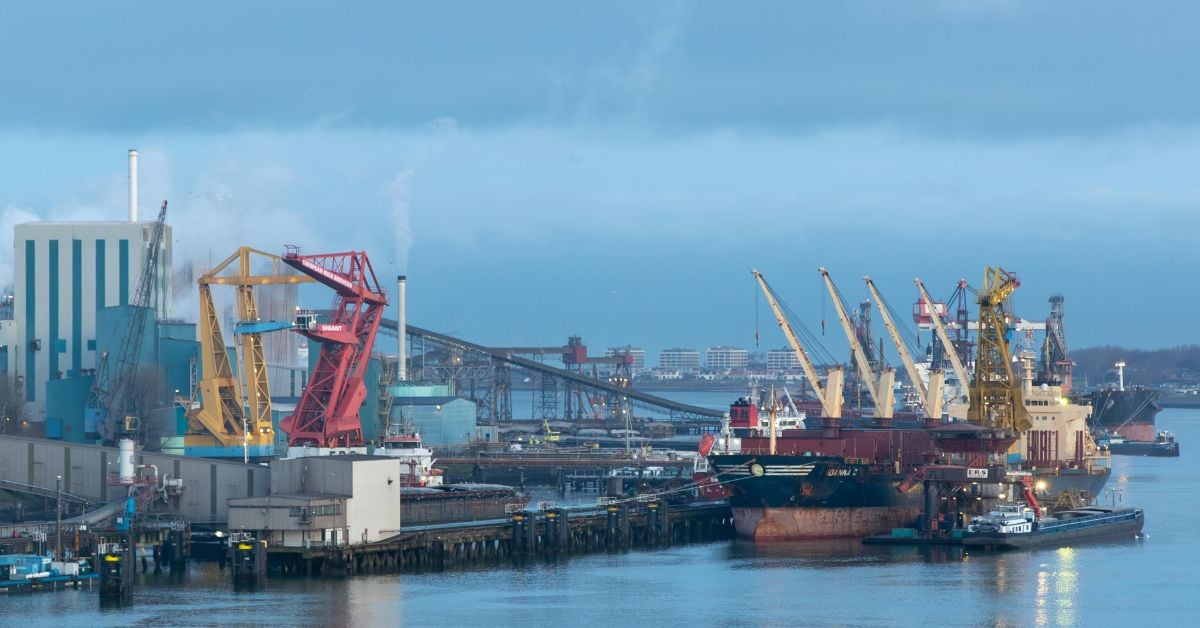
Shipping operations stopped at Belgium’s Port of Antwerp on Friday after an oil spill occurred during bunkering operation of the container ship MSC Denmark VI.
Authorities at Europe’s second-biggest port raced to contain the spread of the oil spill, which happened at the port’s Deurganck Dock, used by some of the largest vessels in the world.
By Friday afternoon, the main access lane through the tidal Scheldt estuary had reopened to shipping.
However, the Deurandanck Dock is still closed as specialised vessels are cleaning up the area, including the many container terminals and locks affected by the incident.
Many container ships and cargo ships at the Antwerp port were also affected by the shutdown of operations.
According to port authorities, the spill has spread to the Scheldt River, and civil protection and maritime and coastal services are monitoring its impact on riverbanks.
They are focusing on preventing further ecological damage and are cleaning the most vulnerable areas first.
The port spokesperson said that the priority at the moment was safety and safeguarding the crew, the terminal and the environment.
As of now, the oil spill has covered at least three kilometres and affected natural reserves such as the Doelpolder wetlands, a breeding ground for birds in the area.
Flemish environmental group Climaxi said that ship refuelling operations were the principal cause of oil spills in the region.
Antwerp Port is the second-biggest in Europe after Rotterdam in the Netherlands and handles around 267 million tonnes of goods annually.
Around 20,000 ocean-going ships and 50,000 inland vessels visit the port every year.
Read on the original site
Open the publisher's page for the full experience