Nurdles From Sunken MSC ELSA-3 Continue To Contaminate India’s Coast After One Year
Our take
## Our Take: The Lingering Legacy of the MSC ELSA-3 Nurdle Spill
The ongoing discovery of nurdles—small plastic pellets used in the manufacturing of plastic products—along the coast of Kerala, India, following the sinking of the MSC ELSA-3 a year ago, underscores a persistent and deeply concerning challenge in ocean stewardship. The incident, which released an estimated 350 containers of these pellets into the marine environment, serves as a stark reminder of the scale of plastic pollution originating from maritime transport. While initial responses focused on immediate recovery efforts, the continued presence of these nurdles demonstrates the longevity of the problem and the limitations of current remediation strategies. This event is not an isolated incident; similar spills, though often smaller in scale, occur with alarming frequency, contributing significantly to the global accumulation of microplastics. For context, understanding the scale of the problem requires acknowledging the sheer volume of plastic entering our oceans annually – estimates range from 8 to 12 million metric tons Our World in Data: Plastic Pollution. The persistence of these nurdles highlights the need for improved preventative measures in shipping practices and a more robust understanding of plastic dispersal patterns in marine ecosystems.
The significance of the MSC ELSA-3 incident extends beyond the immediate environmental impact in Kerala. Nurdles, due to their size and chemical composition, readily absorb pollutants from the surrounding water, becoming vectors for harmful chemicals as they move through the food chain. They are ingested by marine organisms, from plankton to larger fish, and can ultimately accumulate in human food sources. The long-term ecological consequences of this widespread contamination are still being assessed, but preliminary research suggests potential impacts on reproductive health, endocrine disruption, and overall biodiversity. Furthermore, the incident raises critical questions about the accountability of shipping companies and the adequacy of international regulations governing the transport of plastic pellets. Existing frameworks, while intending to mitigate risk, clearly require strengthening to prevent future events of this magnitude. The recent implementation of the IMO’s revised Guidelines for the Safe Transport of Plastic Pellets, Part A of the International Maritime Dangerous Goods (IMDG) Code, is a step in the right direction, but its effectiveness will depend on rigorous enforcement and continuous refinement based on empirical data IMO: Safe Transport of Plastic Pellets.
The persistence of nurdles also necessitates a shift in our approach to ocean data collection and analysis. Current monitoring efforts often focus on larger plastic debris, overlooking the widespread and insidious impact of microplastics like nurdles. A more integrated data ecosystem, utilizing remote sensing technologies, in-situ measurements, and citizen science initiatives, is crucial for accurately assessing the extent of contamination and tracking its movement. World Data Ocean's focus on providing real-time, validated ocean intelligence is directly relevant to addressing this challenge. Longitudinal studies, calibrated against climate indicators, are essential for understanding the long-term effects of nurdle pollution on marine ecosystems and human health. The ability to integrate data from diverse sources—satellite imagery, oceanographic models, and biological surveys—will be key to developing effective mitigation strategies and informing policy decisions. The situation in Kerala highlights the urgent need for a more comprehensive and proactive approach to managing plastic pollution across the entire maritime supply chain.
Looking ahead, the continued presence of nurdles from the MSC ELSA-3 serves as a sobering case study. The question is not simply about cleaning up existing contamination, but about fundamentally rethinking how we produce, transport, and manage plastic materials. Can we realistically expect current regulatory frameworks and industry practices to prevent similar incidents from occurring in the future, or does a more radical shift—towards circular economy models, biodegradable alternatives, and enhanced international cooperation—become increasingly imperative? The long-term implications of this event, and countless others like it, demand a concerted, data-driven response, and a commitment to safeguarding the health of our oceans.
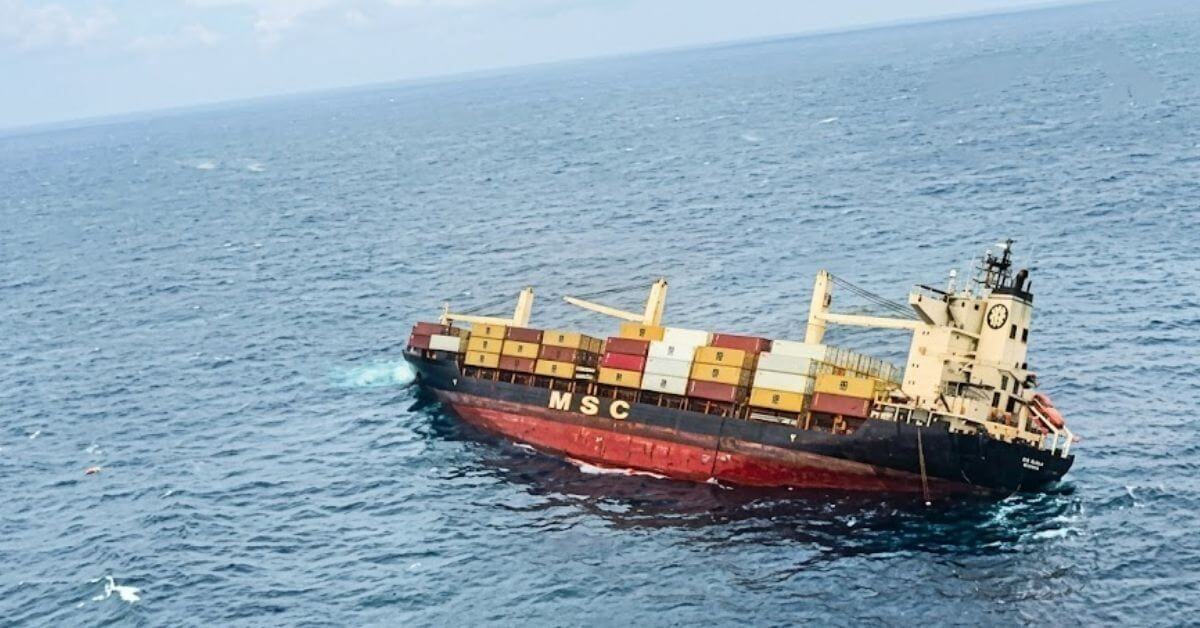
Plastic pellets released when the container ship MSC ELSA-3 sank off India’s Keralam coast in May 2025 are still being found along the coast, a year after the accident.
Some of the pellets, known as nurdles, were found buried up to 20 cm below the beach surface. Researchers also found new areas with high levels of nurdle pollution months after the initial spill.
The one-year study by the Suganthi Devadason Marine Research Institute (SDMRI), Thoothukudi, found that the pellets changed after being exposed to the marine environment. They picked up contaminants, developed microbial growth and were found inside marine fish.
The findings have been published in the journal Marine Pollution Bulletin.
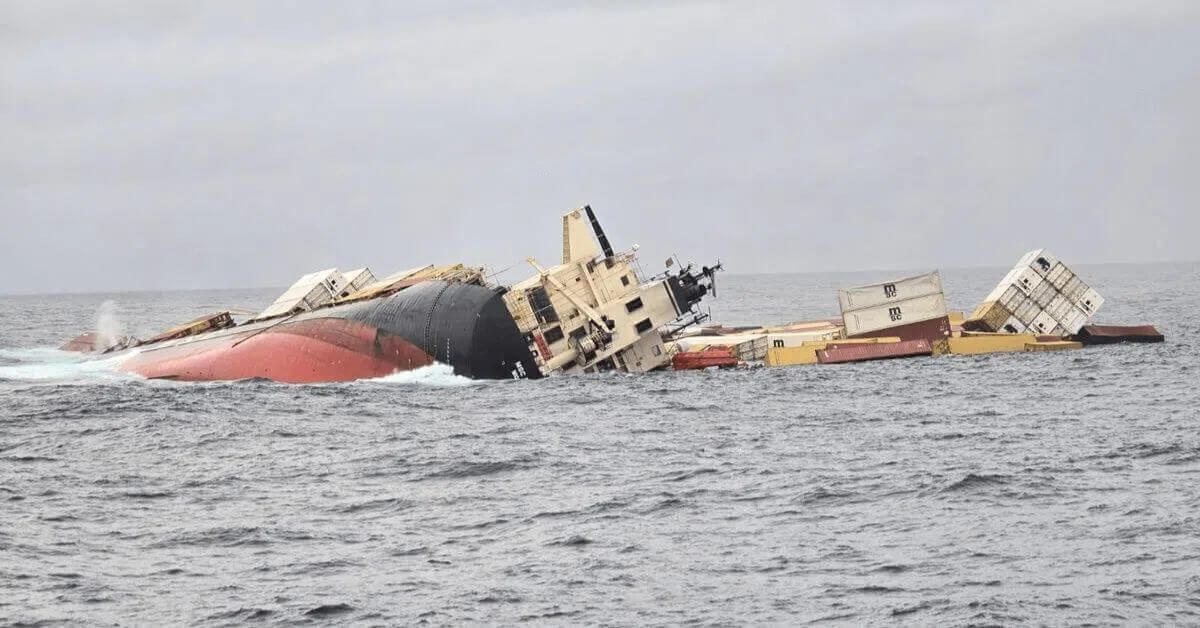
MSC ELSA-3, a Liberian-flagged container ship, sank off the Keralam coast in May 2025. It was carrying about 640 containers with plastic resin pellets, industrial materials and hazardous cargo, including calcium carbide. The ship also had substantial quantities of diesel and furnace oil on board.
After the sinking, the Tamil Nadu Pollution Control Board (TNPCB) asked SDMRI to carry out rapid and long-term studies on the environmental impact. The long-term study is planned to run for two years.
SDMRI researchers monitored 93 coastal sites along India’s southwest and southeast coasts for one year.
They used shoreline surveys, sediment samples, laboratory tests, microbial studies and fish examinations to track the pellets and their effects.
At areas directly affected by the spill, the number of nurdles reached 31,230 items per square metre. That figure fell by more than 80% within three months. But new hotspots appeared later.
By October 2025, nurdle levels reached 10,875 items per square metre on the Gulf of Mannar mainland and 2,960 items per square metre on islands.
Researchers were still finding the pellets in May 2026. Some had become buried up to 20 cm deep in beach sediments.
J.K. Patterson Edward, director of SDMRI, said buried pellets could stay in the sediment and may be brought back to the surface by erosion, storms and movement of sediment.
The study found clear changes in the pellets after they had been exposed to the environment for months.
Their surfaces became damaged, while some pellets became more yellow and showed signs of oxidation. Researchers identified these changes using Fourier-transform infrared spectroscopy (FTIR) and scanning electron microscopy.
The weathered pellets also collected contaminants from their surroundings.
These included heavy metals, polycyclic aromatic hydrocarbons (PAHs), petroleum hydrocarbons and polychlorinated biphenyls (PCBs).
Researchers described this microbial growth as a “plastisphere”. It included bacteria with potential pathogenic significance.
Freshly stranded pellets had low levels of microbial growth. After several months, bacterial levels often went above 100,000 to 1,000,000 colony-forming units per gram, especially during the monsoon and post-monsoon periods, Edward said.
The researchers also examined fish to see whether they had come into contact with the pellets.
Nurdles were found in 26 of 2,413 fish examined, or 1.08%.
Most of the pellets were found in the fish’s digestive system. Some were also found trapped in the gills.
K. Immaculate Jeyasanta, one of the study’s authors, said fresh nurdles caused little physiological disturbance in the fish examined.
Weathered nurdles that had collected contaminants, however, were linked to higher oxidative stress and changes in tissue.
The researchers said the results show that the pellets continued to change after entering the marine environment and interacted with marine life.
Edward said the continued presence of nurdles on shorelines and their ingestion by fish showed the need for long-term monitoring and spill management.
References: The Hindu, thechenabtimes
Read on the original site
Open the publisher's page for the full experience