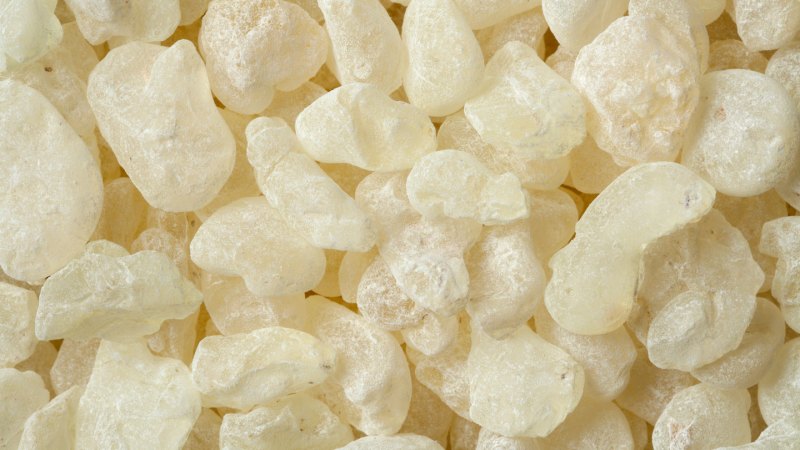
The recent surge in popularity of mastic gum, touted for its purported ability to reshape the jawline, highlights a common pitfall in the intersection of traditional remedies, anecdotal evidence, and contemporary wellness trends. While the historical use of mastic resin in Greece for oral health is well-documented, and emerging research does point to potential benefits for the gut microbiome, the claim of facial restructuring lacks empirical support. This underscores a broader challenge: differentiating between validated traditional practices and unsubstantiated claims amplified by social media. The impulse to seek quick fixes for aesthetic concerns is understandable, but relying on unproven methods can be misleading and potentially detrimental. It's a stark reminder of the importance of grounding health decisions in scientific rigor, a principle we at World Data Ocean consistently champion. Understanding the complexities of climate-driven shifts in coastal environments, as explored in Future wave climate in the NW Mediterranean from multi-model CMIP6 wind projections, demands a commitment to data-driven conclusions, a standard we believe should extend to personal wellness choices as well.
The fascination with mastic gum’s alleged jaw-reshaping abilities also reflects a broader societal tendency to seek readily available solutions to complex biological processes. Facial structure is a product of genetics, development, and long-term habits, not a consequence of short-term chewing. The appeal of a non-invasive, readily accessible remedy is undeniable, but it’s crucial to approach such claims with a healthy dose of skepticism. The global scope of ocean wave climate statistics, as detailed in A global ensemble of ocean wave climate statistics from contemporary wave reanalysis and hindcasts - Nature, illustrates the power of large-scale, longitudinal data sets in revealing patterns and trends—a methodology equally applicable to evaluating health claims. While mastic gum may offer some proven benefits, the leap to facial contouring is a significant overreach that requires substantial, peer-reviewed evidence, which is currently absent.
The broader implications extend beyond mastic gum itself. It serves as a microcosm of the challenges in navigating the deluge of health and wellness information available today. The ease with which misinformation can spread, particularly online, necessitates a heightened level of critical evaluation. Consumers, and indeed the media, have a responsibility to scrutinize claims, demand transparency, and prioritize credible sources. The concerning reality of record-breaking ocean heat, as covered in Climate change: World's oceans suffer from record-breaking year of heat - BBC, vividly demonstrates the tangible consequences of ignoring scientific consensus. Similarly, dismissing validated health information in favor of unproven remedies can have unintended consequences, diverting resources and potentially delaying access to effective treatments.
Ultimately, the mastic gum episode offers a valuable lesson in the importance of discerning between tradition and evidence. While exploring traditional remedies can be valuable, it’s crucial to subject them to rigorous scientific scrutiny. The future of wellness hinges on a more informed and discerning public, one that prioritizes validated data and rejects unsubstantiated claims. What will be the long-term impact of the proliferation of easily accessible, often unverified, health and wellness information on public trust in scientific institutions and the pursuit of evidence-based practices?