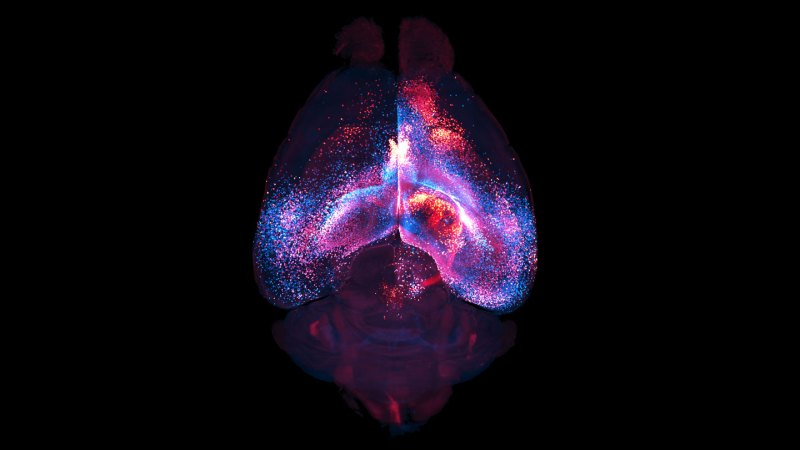
The recent findings regarding the role of star-shaped astrocytes in mouse brains reveal a fascinating layer of complexity in neural communication. These cells, long thought to play a supportive role in the brain's architecture, are now recognized for their ability to form flexible networks that may facilitate communication between disparate brain regions. This discovery not only enhances our understanding of brain function but also aligns with broader discussions on the implications of climate change on health, as seen in our recent article, Some South American rodent-borne viruses may spread as climate warms, which highlights the interconnectedness of ecosystems and public health.
Astrocytes serve as a critical interface between neurons and their environment, influencing both synaptic activity and blood flow. By forming dynamic networks, they may provide an alternative pathway for information transfer within the brain. This mechanism is particularly intriguing as it suggests that the brain is not merely a collection of isolated regions but a highly integrated system where communication pathways are adaptable. This concept echoes insights from the article, 25 people learned to fly with virtual wings. Here’s how the brain changed, which illustrates how experiential learning can reshape neural connections. Both studies illuminate the brain's plasticity, underscoring its capacity to respond to changes in environment and experience.
The implications of these findings extend beyond basic neuroscience. Understanding how astrocytes contribute to brain communication could inform therapeutic approaches for neurological disorders. Conditions such as Alzheimer's disease, schizophrenia, and autism spectrum disorders may be linked to disrupted communication networks in the brain. If astrocytes are indeed pivotal in maintaining or restoring these networks, they could become a focal point for future research aimed at developing novel treatments. This potential is particularly relevant as we grapple with the increasing prevalence of mental health issues in a rapidly changing world.
Moreover, as we contemplate the interactions between climate change and biological systems, it is essential to consider the broader implications of such research. Our environment profoundly impacts our health—an idea echoed in the article, Singing mice puff up air sacs to make their sweet songs, which illustrates how species adapt to their surroundings. The adaptability of astrocytes may mirror the resilience we observe in various species, highlighting the importance of understanding biological responses to external stressors.
Looking ahead, it is crucial to explore how this emerging knowledge about astrocytes can drive interdisciplinary collaboration between neuroscientists, ecologists, and policy-makers. As we face urgent challenges posed by climate change, fostering a deeper understanding of the brain's adaptive capabilities may unlock new pathways for preserving both mental health and ecological integrity. How can we leverage this research in practical ways to enhance public health initiatives and environmental policies? The answers may not only advance scientific inquiry but also promote a more holistic approach to health that recognizes the intricate connections between our biology and the world around us.