Newborn screening for cancer risk could save lives. Should it be done?
Our take
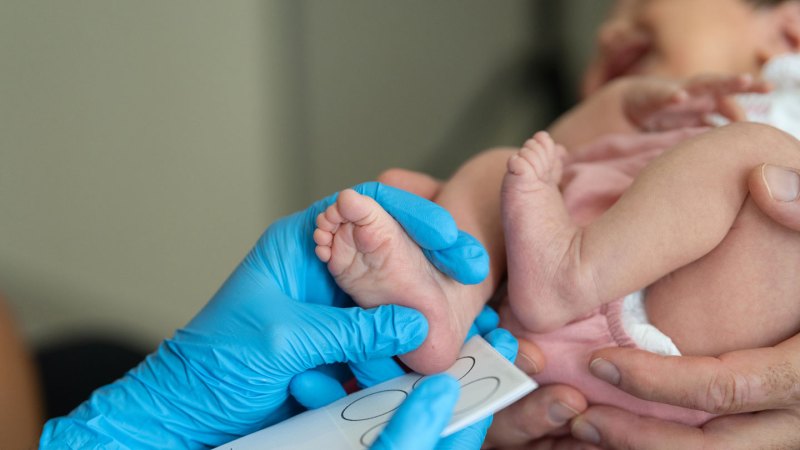
The prospect of identifying cancer risk in newborns through genetic screening represents a significant, and complex, advancement in preventative medicine. While the potential to intervene early and improve outcomes for individuals carrying inherited cancer predispositions is undeniably compelling, the ethical and practical considerations surrounding such a widespread implementation demand careful scrutiny. Current newborn screening programs primarily focus on identifying treatable metabolic and genetic disorders that can cause immediate harm if left unaddressed. Expanding this scope to include cancer risk, which often manifests decades later, introduces a new layer of complexity, particularly regarding the psychological impact on families and the potential for unnecessary anxiety and medical interventions. The scientific community is actively engaged in refining predictive models and understanding the penetrance of various cancer-linked mutations—the likelihood that a mutation will actually lead to cancer—a crucial factor in determining the clinical utility of such screening. For a deeper understanding of current genetic screening practices, see Genetic Testing: What You Need to Know and for a look at the challenges of interpreting genetic risk, explore Understanding Genetic Risk Scores.
The core challenge lies in translating a genetic predisposition into actionable clinical guidance. Many cancer-linked mutations have variable penetrance, meaning not everyone who carries the mutation will develop cancer. Furthermore, environmental factors and lifestyle choices play a substantial role in cancer development, making it difficult to definitively predict an individual’s future risk based solely on genetic information. This uncertainty can lead to overdiagnosis and overtreatment, exposing individuals to unnecessary medical procedures and their associated risks. A validated, longitudinal dataset, rigorously calibrated to account for both genetic and environmental influences, is essential before widespread implementation. Such a dataset would require decades of follow-up and sophisticated statistical modeling to accurately assess the true predictive power of the screening and to optimize intervention strategies. The development of such a robust data ecosystem is a considerable undertaking, requiring significant investment and international collaboration to ensure data quality and representativeness.
The potential benefits of newborn cancer screening are undeniable, particularly for families with a strong history of cancer. Early identification of individuals at high risk could facilitate preventative measures, such as increased surveillance, prophylactic surgery, or chemoprevention, significantly improving their chances of survival. However, it's crucial to approach this technology with a measured and evidence-based perspective. A phased implementation, starting with families with a known history of high-risk cancer syndromes, may be a more prudent approach than universal screening. This allows for the collection of valuable data and refinement of screening protocols before expanding to broader populations. Moreover, robust genetic counseling services are paramount to ensure that families understand the implications of screening results, the limitations of predictive models, and the potential benefits and risks of various intervention strategies. Integrated data sharing between clinical genetics, oncology, and public health initiatives will be vital for maximizing the impact of this technology.
Looking ahead, the convergence of advancements in genomic sequencing, artificial intelligence, and longitudinal data analysis holds the promise of more precise and personalized cancer risk assessment. The ability to integrate genomic data with environmental exposures, lifestyle factors, and even microbiome profiles will undoubtedly refine our understanding of cancer etiology and improve the accuracy of predictive models. However, the ethical implications of such powerful tools—including issues of data privacy, genetic discrimination, and equitable access to screening and treatment—must be proactively addressed. A crucial question worth watching is whether the development of increasingly sophisticated risk prediction models will ultimately shift the focus from reactive treatment to proactive prevention, fundamentally reshaping our approach to cancer care and fostering a future where early intervention and personalized prevention strategies are the norm.
Read on the original site
Open the publisher's page for the full experience