New science on algae die-offs is too late for the Reflecting Pool
Our take
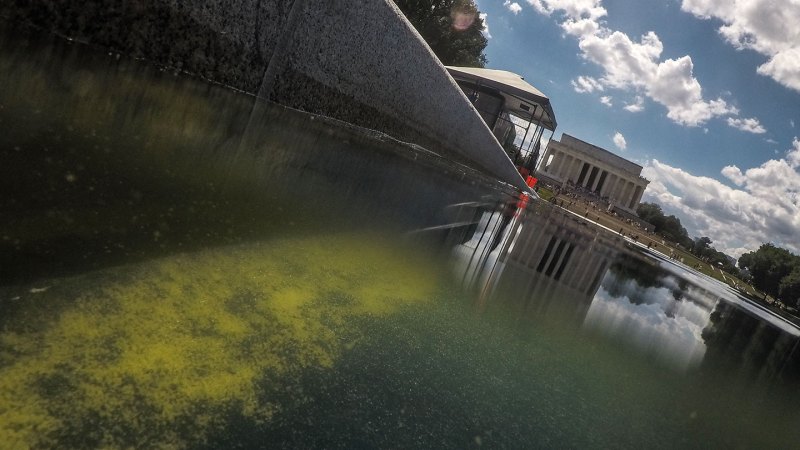
The recent discovery detailing the mechanism behind widespread algal die-offs—specifically, that iron and hydrogen peroxide trigger cell death via ferroptosis, initiating a cascade of damaging molecules—underscores a critical vulnerability within marine ecosystems. This finding, while illuminating, arrives with a palpable sense of belatedness, as evidenced by the article’s title, "New science on algae die-offs is too late for the Reflecting Pool." The implications extend far beyond a single, localized ecosystem. The increasing frequency and scale of these die-offs are directly linked to anthropogenic factors, including nutrient pollution and climate change, and represent a systemic threat to ocean health. Understanding the precise mechanisms—as this research provides—is a necessary, though insufficient, step toward effective mitigation. The global nature of these challenges is further highlighted by related research; consider the complexities of [Environmental management in global value chains: how production fragmentation drives environmental upgrading in China’s ocean manufacturing], which demonstrates how fragmented production systems complicate environmental responsibility. Similarly, the tragic incident of a [Pregnant Endangered Fin Whale Found Dead On Cruise Ship Bow In Alaska] underscores the broader vulnerability of marine life to human activity, a vulnerability exacerbated by these increasingly frequent algal blooms and subsequent collapses.
The ferroptosis pathway elucidated in this study adds a crucial layer of understanding to the existing body of knowledge regarding algal blooms. While we have long recognized the role of nutrient loading in stimulating excessive algal growth, the subsequent collapse—often manifesting as harmful algal blooms (HABs)—has remained partially mysterious. This new research provides a mechanistic explanation, pinpointing iron and hydrogen peroxide as key triggers for this widespread cellular destruction. This isn't merely an academic exercise; the consequences of these die-offs resonate throughout the entire marine food web. Algae form the base of the oceanic food pyramid, supporting countless species, from microscopic zooplankton to large marine mammals. Disrupting this foundation has cascading effects, impacting fisheries, biodiversity, and even global carbon cycling. Furthermore, the economics of maritime transport are increasingly vulnerable – as illustrated by [War Risk Insurance Returns For Strait Of Hormuz Shipping, But Security Risks Delay Recovery], where environmental factors intertwine with geopolitical considerations. The health of the ocean is not a siloed issue; it’s fundamentally linked to global trade, security, and economic stability.
The timing of this discovery is particularly poignant. As ocean temperatures continue to rise and nutrient pollution persists across the globe, the conditions are ripe for more frequent and severe algal die-offs. The challenge now lies in translating this new scientific understanding into actionable strategies. This requires a multi-faceted approach, including stricter regulations on nutrient runoff, investments in wastewater treatment infrastructure, and the development of early warning systems to detect and mitigate harmful algal blooms. The integrated data ecosystem that World Data Ocean strives to build becomes even more critical in this context, allowing for real-time monitoring of ocean conditions and rapid dissemination of information to stakeholders. Without a concerted global effort, underpinned by validated, empirical data, we risk witnessing a further degradation of marine ecosystems and the vital services they provide. The focus shouldn't be solely on reactive measures, but also on proactive strategies that address the root causes of these blooms, such as climate change mitigation and sustainable agricultural practices.
Ultimately, this research reinforces the urgent need for a paradigm shift in how we manage our oceans. It moves beyond simply observing the symptoms—the algal blooms and die-offs—to understanding the underlying mechanisms driving these events. This deeper understanding is essential for developing targeted and effective interventions. The question now is: Can we accelerate the translation of this scientific knowledge into practical solutions before these catastrophic die-offs inflict irreversible damage on the world's oceans? The longitudinal data we collect, calibrated against these newly understood mechanisms, will be crucial to answering this question – and for charting a course towards a more resilient and sustainable future for our oceans.
Read on the original site
Open the publisher's page for the full experience