New mutations help the H5N1 bird flu virus infect cows but not people
Our take
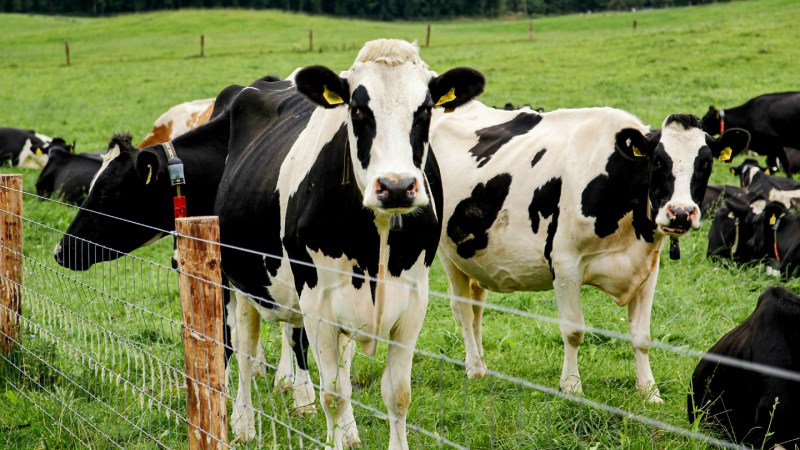
The recent findings regarding the evolution of the H5N1 bird flu virus, which now shows mutations enabling it to infect cows, underscore a crucial intersection between animal health and human safety. As we gain a deeper understanding of the virus’s adaptability, it becomes increasingly vital to consider the broader implications of these changes. This development not only raises questions about the virus's potential impact on livestock management but also invites parallels with other emerging zoonotic diseases, as illustrated by recent discussions surrounding the Hantavirus questions grow in the wake of a cruise ship outbreak. The ever-evolving nature of pathogens requires us to maintain vigilance and adaptability in our public health strategies.
The adaptability of H5N1 to infect cows, while not directly affecting human beings at this stage, does signify a potential trajectory that could lead to significant challenges. The mutations could pave the way for the virus to find new hosts or pathways of transmission, raising the specter of future outbreaks. This phenomenon echoes similar concerns raised in the context of aquaculture, where discussions around the effects of probiotics, prebiotics, and synbiotics on immune function, disease resistance, digestive health, and stress management in fish culture highlight how interconnected our agricultural ecosystems are. As livestock and aquatic animals become increasingly integrated into our food systems, the potential for zoonotic spillover events must remain a priority in research and policy-making.
The urgency of addressing these complex interrelationships cannot be overstated. As climate change influences animal habitats and migratory patterns, we may witness an increase in zoonotic diseases as pathogens adapt to new environments and hosts. This situation emphasizes the importance of a proactive, collaborative approach to health surveillance and intervention strategies. Understanding that the health of animal populations is inextricably linked to human health will enable us to foster a more integrated response to public health challenges.
Furthermore, the implications of H5N1's evolution extend beyond immediate health risks; they also touch on the economic and food security aspects of livestock management. Farmers and producers will need to navigate the potential for increased veterinary costs or changes in livestock trade regulations, which could reverberate through local and global economies. This evolving landscape necessitates that stakeholders—from scientists to policymakers—engage in open dialogues about risk assessment and mitigation strategies, ensuring that we are prepared to respond effectively to potential outbreaks.
As we move forward, one critical question remains: how can we strengthen our global health systems to better anticipate and respond to the multifaceted challenges posed by zoonotic diseases? The evolution of the H5N1 virus serves as a reminder that our health ecosystems are dynamic, requiring continuous adaptation, collaboration, and innovation. By fostering a culture of shared responsibility and vigilance, we can better safeguard both animal and human health in an increasingly interconnected world.
Read on the original site
Open the publisher's page for the full experience