Neandertals used rhinoceros teeth as tools
Our take
Our Take
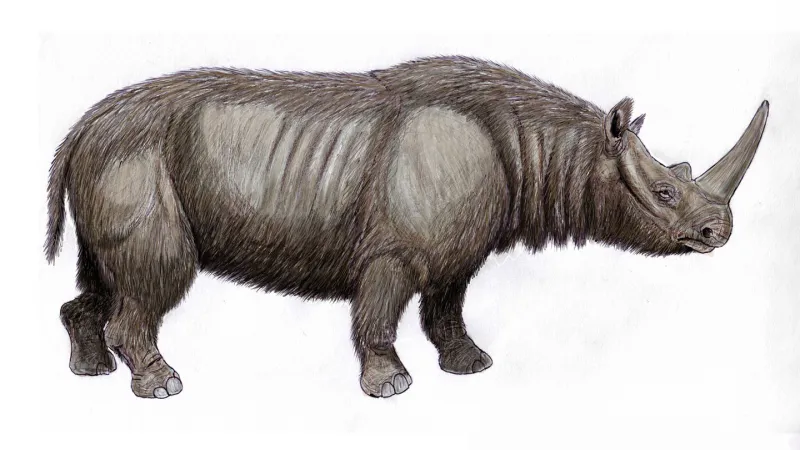
The discovery that Neandertals used rhinoceros teeth as tools for heavy-duty fabrication adds a fascinating layer to our understanding of their ingenuity. Finds in Spain and France, reported in the *Journal of Human Evolution*, reveal that these ancient humans repurposed the durable incisors of now-extinct species like the straight-tusked rhinoceros (*Palaeoloxodon antiquus*). This practice suggests a sophisticated approach to resource utilization, challenging earlier assumptions about Neandertal technological capabilities. While they are often portrayed as less adaptable than Homo sapiens, this evidence underscores their ability to innovate with available materials—a trait critical for survival in fluctuating Ice Age environments. The teeth, likely scavenged or hunted, were shaped into tools for tasks such as butchering meat or processing wood, offering a tangible link to their daily lives. Such findings not only highlight Neandertal resourcefulness but also prompt us to reconsider their role in the broader narrative of human technological evolution.
This revelation aligns with recent studies emphasizing Neandertal cognitive complexity, including evidence of symbolic behavior and tool innovation. For instance, a 2023 study published in *Nature* documented Neandertal use of eagle talons as jewelry, further dismantling stereotypes of their “primitive” status. The rhino tooth tools, however, bridge practicality and adaptation, illustrating how environmental pressures drove technological solutions. By analyzing wear patterns and residue on the teeth, researchers can infer specific functions, painting a vivid picture of Neandertal daily routines. This work also underscores the importance of interdisciplinary research, combining archaeology, materials science, and ecology to decode past behaviors. As climate change reshapes ecosystems today, understanding how past species navigated resource scarcity offers valuable parallels—and perhaps even lessons—for contemporary challenges.
The broader implications extend beyond Neandertal studies. These findings contribute to a growing body of evidence that human innovation has always been a product of necessity, not just culture. In an era where technological advancement is often framed as a linear progression, this discovery reminds us that problem-solving is deeply tied to environmental context. The rhino teeth, for example, were not just tools but a response to the scarcity of suitable materials in certain regions. This mirrors modern debates about sustainable resource management, where communities must creatively repurpose limited materials. Moreover, the study’s methodology—such as using microscopic analysis to identify tool use—sets a precedent for future research, demonstrating how cutting-edge techniques can unlock secrets from the past.
As we continue to uncover the intricacies of Neandertal life, questions remain about their interactions with other hominins and their ultimate extinction. Could their adaptive strategies, like the use of rhino teeth, have been overshadowed by the rapid technological leaps of Homo sapiens? Or did environmental shifts, such as the arrival of warmer periods that altered rhino populations, play a decisive role? These mysteries invite further exploration, particularly as new sites in Europe and Asia are excavated. For now, the rhino tooth tools serve as a testament to the resilience of our evolutionary cousins—a reminder that even in the face of extinction, innovation persisted.
France Deploys Aircraft Carrier Charles de Gaulle To Red Sea For Possible Hormuz Security Mission Spain Intercepts Record 40-Tonne Cocaine Shipment From Vessel In Atlantic Waters, Arrests 20 Crew Who are these buddies? NorCal
Read on the original site
Open the publisher's page for the full experience