Iran Allows 20 Pakistani-Flagged Ships to Transit Strait of Hormuz Amid Tensions
Our take
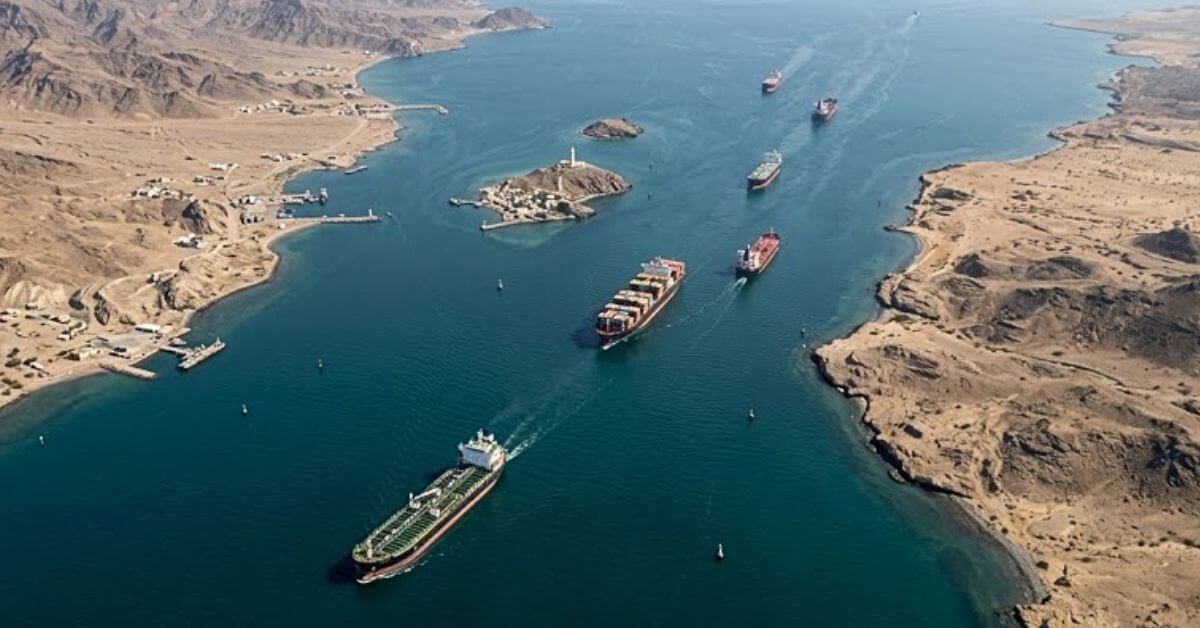
Iran has agreed to allow 20 Pakistani-flagged vessels to pass through the Strait of Hormuz at a time when shipping in the region remains heavily restricted.
Pakistan’s Foreign Minister Ishaq Dar said that two ships will cross the strait each day under this arrangement and described the move as a positive step towards easing tensions.
Dar shared the update after recent talks with Iranian Foreign Minister Abbas Araghchi, where both sides discussed the need for de-escalation and continued dialogue.
He said the decision could support efforts to bring stability and reduce tensions in the region. He also said that dialogue and diplomacy remain the only way forward.
Under the plan, the 20 ships will be allowed to transit in batches, with two vessels crossing daily.
Iran had already allowed several Pakistan-linked ships to pass through the strait in recent weeks, as Islamabad continues to position itself as a mediator between Iran and the United States.
The Strait of Hormuz has been under tight control since the conflict involving Iran, the United States and Israel escalated on February 28. Before the crisis, around 138 ships passed through the strait every day.
Since then, traffic has dropped sharply, with only about 150 vessels managing to cross, which is roughly equal to one day of normal movement.
Maritime traffic in the area is down by nearly 90 percent, and around 2,000 vessels are reported to be waiting on either side.
Iran has not completely closed the strait but is allowing limited passage. Its forces are checking ships before entry.
Vessels are required to submit cargo details, crew lists and destination information, and must receive clearance before moving through Iranian waters.
Some ships have reportedly paid up to $2 million per transit, with payments said to be made in Chinese yuan.
Iranian officials have said that ships from countries it considers friendly, including India, Russia, China, Pakistan and Iraq, may be allowed to pass.
However, vessels linked to the United States, Israel and some Gulf countries involved in the conflict are not being given permission to use the route.
The situation has affected global trade and energy markets. Oil prices have crossed $100 per barrel, rising by around 40 percent.
The Strait of Hormuz is one of the world’s most important shipping routes for oil and gas, and any disruption in this area quickly impacts supply chains.
The World Trade Organization has said that global trade is facing one of its worst disruptions in decades due to the situation.
At the same time, Iran is considering making its current system of controlled passage a formal arrangement, which could include charging ships for transit.
Pakistan has stepped up its diplomatic efforts in recent days, speaking with Iran, the United States and other regional countries. Officials have said that Islamabad is ready to host talks if needed.
References: Aljazeera, firstpost
Read on the original site
Open the publisher's page for the full experience
Related Articles
- Pakistan Steps In To Host US-Iran Peace Talks As Strait Of Hormuz Crisis Disrupts Global ShippingPakistan’s Foreign Minister Ishaq Dar said the countries agreed that dialogue and diplomacy are the only ways to stop the conflict.
- Iran Allows Only 15 Ships To Cross Strait Of Hormuz Daily Per The Ceasefire AgreementShipping through the Strait of Hormuz remained limited on Thursday even after a ceasefire between Iran and the United States.
- Iran Enforces New Permit Rule For Ships In Strait Of Hormuz, Warns Of Action For Route ViolationsThe route remains a key passage for global energy trade, with around 20% of the world’s traded oil moving through it.
- Iran Announces Alternative Shipping Routes For Vessels Transiting The Strait Of HormuzVessel operators are expected to follow the new routes provided by Iranian authorities to reduce risks while sailing through the area.