Humidity makes these bees turn green
Our take
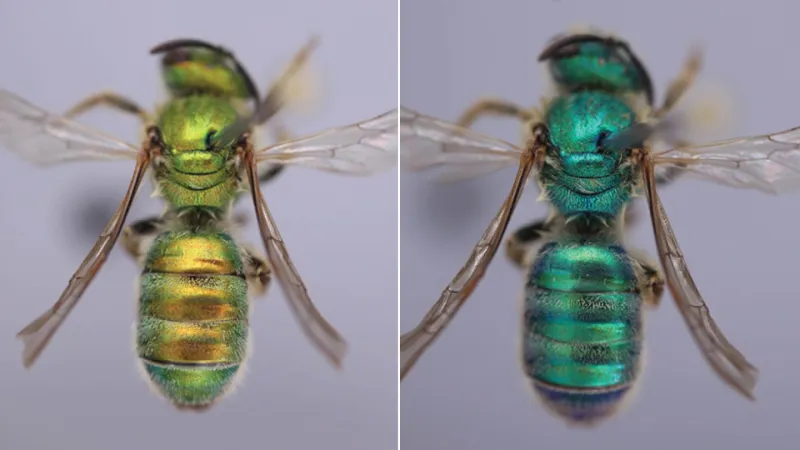
The recent discovery that North American sweat bees can change color based on surrounding humidity offers a fascinating glimpse into the complexities of insect adaptations and their potential implications for ecological understanding. This phenomenon may not be isolated; it could represent a broader trend among insects, highlighting the intricate connections between environmental factors and biological responses. Such findings deepen our appreciation for the delicate balance of ecosystems and underscore the need for ongoing research into how climate variability influences species interactions and biodiversity.
As we explore these adaptations, we are reminded of the interconnectedness of various ecosystems. For instance, the relationship between humidity and insect behavior ties back to broader environmental trends, such as those examined in Beneath the waves, the ocean holds a hidden record of our planet’s changing climate. The oceans play a critical role in regulating climate and supporting diverse life forms, from the kelp forests that create biodiversity hotspots, as discussed in Islands of biodiversity created by remote Arctic kelp forests of the central Kitikmeot Sea, to the atmospheric processes influenced by greenhouse gases. Understanding how such factors interrelate is essential for grasping how species like sweat bees may adapt to changing climates in both terrestrial and marine environments.
The adaptability shown by sweat bees is particularly significant in the context of ongoing climate change. As temperatures and humidity levels fluctuate, the ability of organisms to respond to these changes could be a critical factor in their survival. Bees, as essential pollinators, are already under threat from various stressors, including habitat loss, pesticide exposure, and climate change itself. Observing how their coloration shifts with humidity could provide valuable insights into their health and distribution patterns, which in turn can inform conservation strategies. This intersection of behavioral ecology and climate science emphasizes the need for integrated approaches to environmental management and species protection.
Moreover, these findings prompt us to consider the broader implications for biodiversity and ecosystem resilience. The phenomenon of color change in response to environmental conditions could serve as an indicator of ecosystem health, offering a new metric for scientists to monitor. As we delve deeper into the effects of climate change on various species, it is vital to foster a sense of shared responsibility for ocean stewardship and terrestrial conservation. The interconnectedness of life on Earth means that the fate of one species often hinges on the health of many others, reinforcing the importance of collaborative efforts in environmental science and policy.
Looking ahead, the question remains: how will these adaptive traits manifest as climate conditions continue to evolve? Will more species reveal similar capabilities, and what might this mean for biodiversity in the face of rapid environmental change? As we strive to understand these dynamics, we must remain committed to fostering innovation and collaboration in our research efforts, ensuring that we are prepared to address the challenges that lie ahead. The study of sweat bees is just one of many threads in the complex tapestry of life on Earth, and it serves to remind us that every discovery brings us closer to a more comprehensive understanding of our planet's ecosystems.
Read on the original site
Open the publisher's page for the full experience