How memories may survive hibernation
Our take
## Our Take: The Resilient Memory of Hibernation – A Window into Brain Plasticity
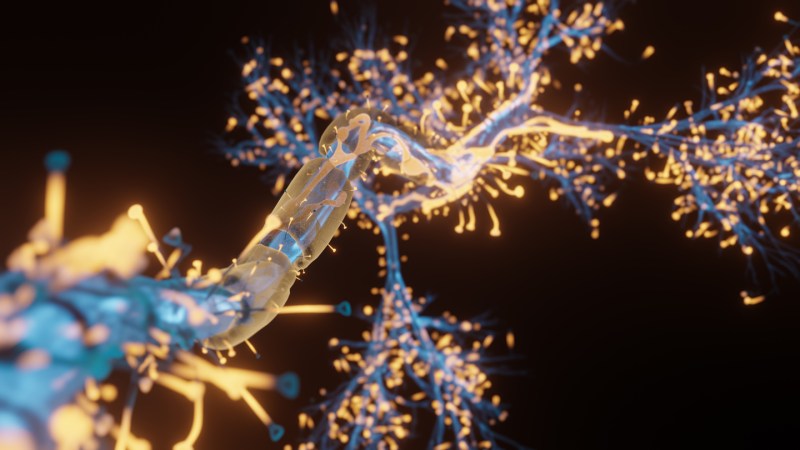
The recent findings regarding memory retention in hibernating mice, published in Science, present a compelling and surprisingly hopeful perspective on the brain’s capacity for resilience and reorganization. Researchers observed a dramatic, rapid loss and subsequent regrowth of synaptic connections within the hippocampus – a critical brain region for memory formation – during hibernation. What’s particularly striking is that while roughly half of these connections were lost, key “hub” synapses, those vital for network stability and information routing, remained largely intact. This selective preservation suggests a sophisticated mechanism at play, one that prioritizes the maintenance of core memory infrastructure while allowing for a period of intense synaptic pruning and subsequent refinement. This work builds upon previous research exploring the neurological changes during hibernation, such as the findings detailed in this review, which highlight the metabolic and physiological adaptations enabling extended periods of dormancy. The implications extend far beyond understanding rodent physiology; they offer a potential framework for investigating and potentially mimicking these protective mechanisms in other species, including humans.
The significance of this discovery lies in its challenge to conventional understandings of memory consolidation and the vulnerability of synaptic connections. Traditionally, the loss of synapses has been viewed as a detriment to memory, a sign of degradation or neurological decline. However, this research suggests that controlled, cyclical synapse loss might be a crucial element in optimizing brain function. The regrowth process, presumably driven by a complex interplay of molecular signals and cellular processes, could represent a form of “neural housekeeping,” eliminating weaker or less relevant connections and strengthening those that are essential. The survival of the hub synapses is particularly insightful. These hubs act as critical nodes in the neural network, ensuring that information can still flow efficiently even during periods of widespread synaptic remodeling. The selective preservation of these connections provides a degree of stability and resilience, allowing for the brain to essentially "reset" and rebuild without losing its fundamental cognitive architecture. Further research will be needed to fully elucidate the precise molecular mechanisms governing this process – identifying the signals that trigger synapse loss and regrowth, and how these are selectively targeted.
The broader implications of this research touch upon several critical areas. From a neurodegenerative disease perspective, understanding how the brain protects and regenerates connections during hibernation could inform strategies for mitigating synaptic loss in conditions like Alzheimer's disease or Parkinson’s disease. The ability to promote synaptic resilience and controlled pruning could represent a novel therapeutic avenue. Moreover, this research offers intriguing possibilities for optimizing brain function in healthy individuals. Could mimicking aspects of the hibernation process—perhaps through targeted interventions—enhance learning, memory consolidation, or cognitive flexibility? While the practical application of these findings remains distant, the concept of harnessing the brain’s inherent plasticity and regenerative capacity is undeniably compelling. The longitudinal nature of the observed changes—the cyclical loss and regrowth of synapses—also highlights the dynamic and adaptable nature of the brain, far beyond the static models often employed in neuroscience.
Looking ahead, a key question to watch is whether similar patterns of selective synaptic preservation and regrowth are observed in other hibernating species, and whether these patterns correlate with the complexity of their memory systems. The ability to translate these findings from mice to humans presents a significant challenge, but the potential rewards—a deeper understanding of brain resilience and novel therapeutic strategies for cognitive decline—are substantial. Further investigation into the role of glial cells—the supporting cells of the brain—in this process is also warranted, as they are increasingly recognized as active participants in synaptic regulation and plasticity. The ocean of data generated by this and related research promises to reveal increasingly sophisticated insights into the remarkable adaptability of the brain.
Read on the original site
Open the publisher's page for the full experience