How climate change may increase antibiotic resistance
Our take
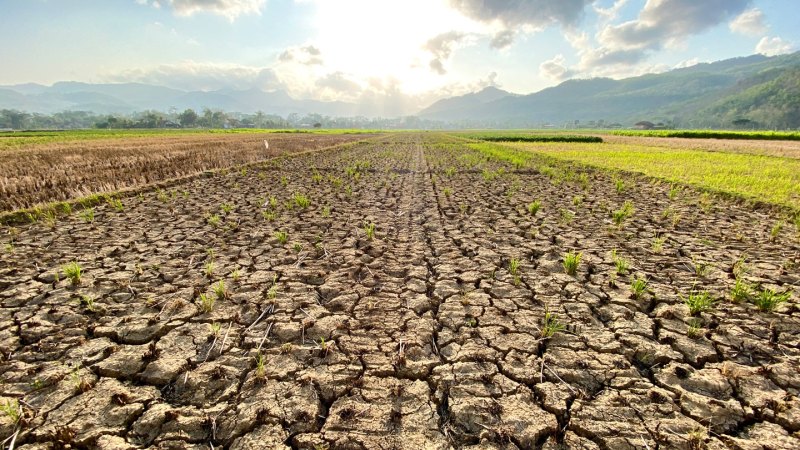
The recent findings suggesting that climate change may catalyze the exchange of antibiotic resistance genes among bacteria present a pressing concern for global health. As rising temperatures and prolonged droughts create environments conducive to bacterial proliferation, the potential for increased antibiotic resistance poses significant risks to human populations. This issue intertwines with broader climate-related challenges, highlighting the interconnectedness of ecosystem health and human welfare. In light of these developments, it is imperative to explore the complex implications of antibiotic resistance in the context of climate change.
The mechanisms through which climate change influences bacterial behavior warrant careful examination. Elevated temperatures can enhance bacterial growth rates and alter their metabolic processes, creating conditions where the exchange of genetic material, including antibiotic resistance genes, becomes more frequent. This phenomenon underscores a crucial intersection between environmental health and public health, as the emergence of resistant strains could render existing antibiotics ineffective, complicating treatment options for common infections. Such a scenario echoes concerns raised in related studies, such as those discussing the impact of our oceans on climate indicators in pieces like Beneath the waves, the ocean holds a hidden record of our planet’s changing climate. Most of the Earth's excess heat is... and the importance of biodiversity in maintaining resilient ecosystems, as highlighted in Islands of biodiversity created by remote Arctic kelp forests of the central Kitikmeot Sea.
Moreover, the implications of increased antibiotic resistance extend beyond individual health concerns. The potential for outbreaks of drug-resistant infections could strain healthcare systems, exacerbate economic burdens, and undermine global health initiatives. As we grapple with the realities of climate change, the interplay of environmental factors and human health must be prioritized in policy discussions and scientific research. This situation calls for a collaborative approach among scientists, policymakers, and healthcare professionals to develop strategies that mitigate these risks while promoting sustainable practices that can enhance the resilience of both ecosystems and public health.
To combat the looming threat of antibiotic resistance driven by climate change, a multifaceted strategy is essential. This includes investing in research that focuses on understanding the dynamics of bacterial resistance in changing environments, as well as fostering global collaborations that emphasize information sharing and technological innovation. The World Economic Forum's insights on the necessity for strategic investment in the ocean economy resonate with this perspective, as safeguarding marine ecosystems is integral to maintaining the delicate balance of our planet's health. Addressing antibiotic resistance through a lens of environmental stewardship can yield benefits not only for human health but also for the broader ecosystem.
As we move forward, the question remains: How can we effectively integrate our understanding of climate change, antibiotic resistance, and ecosystem health into actionable strategies? The urgency for a concerted global response is clear. As the complexities of these interrelated challenges unfold, continuous dialogue and innovative solutions will be vital in safeguarding both our oceans and our health for future generations. The stakes are high, and the time for action is now.
Read on the original site
Open the publisher's page for the full experience