Hidden ocean heat is creeping toward Antarctica’s fragile ice shelves
Our take
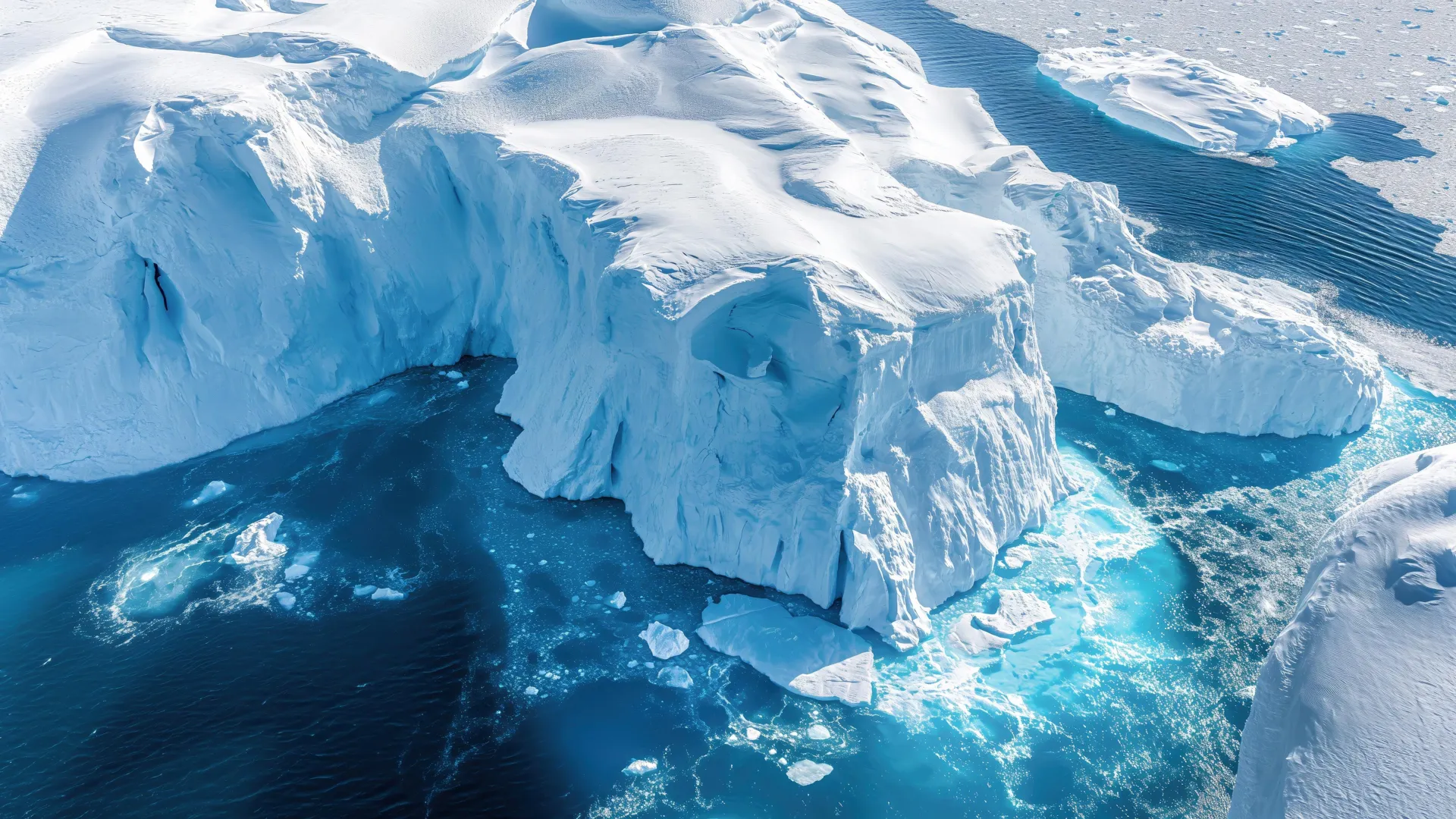
The recent findings regarding warm water encroaching upon Antarctica's ice shelves underscore a crucial shift in our understanding of ocean dynamics and climate change. Researchers have identified that circumpolar deep water has expanded towards the continent over the past two decades, revealing a hidden layer of ocean heat that could have significant implications for global sea levels and marine ecosystems. This discovery, made possible through the integration of decades of ship data, robotic float measurements, and machine learning, highlights the importance of innovative technologies in climate research. As discussed in our previous article, Beneath the waves, the ocean holds a hidden record of our planet’s changing climate, the ocean serves as an essential archive of climatic changes, and it is imperative that we pay close attention to these shifts.
The implications of warm water reaching Antarctica cannot be overstated. The ice shelves act as critical barriers, holding back the vast ice sheets of the continent. If these shelves destabilize, we may see an accelerated rate of ice melt, which could contribute significantly to rising sea levels worldwide. This situation is increasingly urgent as we witness the interconnectedness of climate systems; as noted in the World Economic Forum: Here's why we need Strategic investment in the Ocean economy, strategic investments in ocean research and conservation are essential for safeguarding these vital ecosystems and the human communities dependent upon them.
Moreover, this discovery serves as a stark reminder of the complexities of climate change and the oceans' role within this narrative. The warm water's movement is not just a local phenomenon; it reflects broader climatic trends that can influence weather patterns and marine biodiversity on a global scale. As we continue to face the ramifications of climate change, understanding these dynamics will be critical for formulating effective strategies for ocean stewardship. The urgency for collaborative international efforts to monitor and address these changes is evident, as is the need for data-driven decision-making in policy frameworks that govern ocean resources.
Looking ahead, it is essential that we remain vigilant and proactive in our response to these findings. How can we leverage this data to foster global collaboration in addressing the impending challenges posed by climate change? As researchers continue to unravel the complexities of ocean heat dynamics, the role of the scientific community in disseminating this knowledge to policymakers and the public will be paramount. Ultimately, it is a shared responsibility to ensure the health of our oceans, as our collective future hinges on the stability of these critical ecosystems. The question remains: what steps will we take next to protect these fragile environments in the face of accelerating climate change?
Read on the original site
Open the publisher's page for the full experience