Greenland ice melt has surged sixfold and scientists are alarmed
Our take
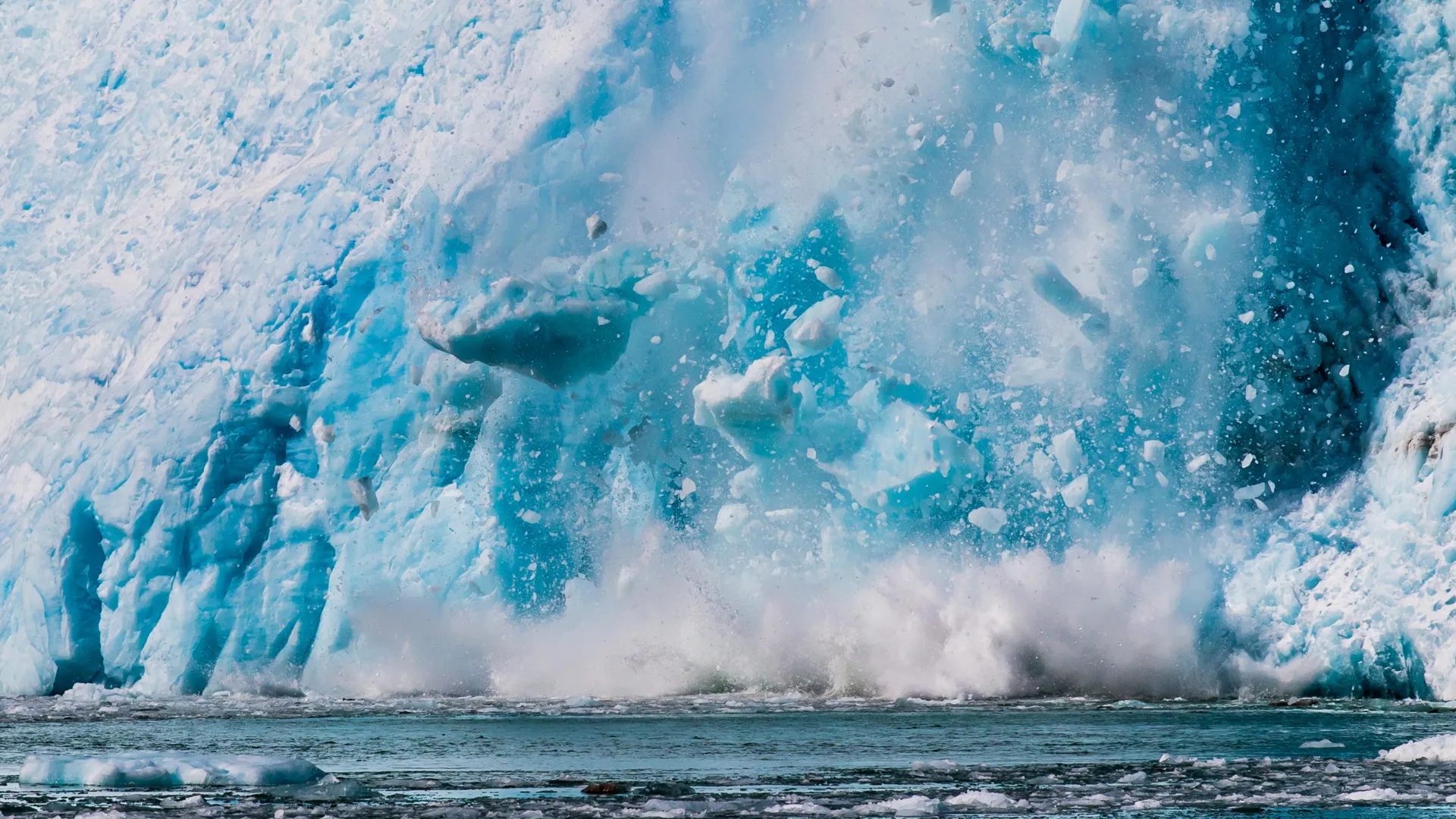
The acceleration of Greenland's ice melt represents more than a regional climate event—it signals a fundamental shift in Earth's cryospheric system that demands immediate scientific attention and sustained monitoring. According to new research, meltwater production has increased sixfold since 1990, with the most extreme events clustered in recent years. This is not a gradual change; it is an exponential one, and the scientific community is right to sound the alarm. When a system that has remained relatively stable for millennia begins to transform within a single generation, we must ask what that tells us about the pace of climate change and our capacity to respond. The urgency is real, but so is our ability to understand it—if we commit to the rigorous, integrated data collection that these challenges demand.
The scientific significance of this findings extends beyond the obvious concerns about sea level rise. What makes the current acceleration particularly alarming is its departure from natural climate variability. Researchers have determined that warming temperatures are actively supercharging these melt episodes, pushing them beyond what natural climate patterns would predict. This distinction matters enormously for policy and planning: we are not witnessing a cyclical variation but a systemic transformation driven by anthropogenic forcing. The empirical evidence is clear, and the implications for coastal communities worldwide are profound. Understanding these dynamics requires the kind of longitudinal, integrated data ecosystems that organizations like World Data Ocean are working to build—connecting disparate research streams into actionable ocean intelligence.
The broader context for this research highlights the interconnected nature of Earth's climate system and the importance of marine protected areas. While the Greenland ice sheet dominates headlines, scientists continue to uncover remarkable biodiversity in environments we barely understand, from deep-sea amphipod populations in high-seas marine protected areas to the complex mechanisms of disease transmission in marine settings. Each of these research threads contributes to our understanding of planetary health. The deep ocean, while home to remarkable diversity, remains one of the least understood environments on Earth, yet it is increasingly clear that what happens in polar regions and what happens in the deep sea are linked through climate feedback loops we are only beginning to model. The scientific community's work on questions ranging from hantavirus transmission to deep-sea biodiversity all forms part of the same essential project: building the comprehensive understanding our stewardship responsibilities require.
What should concern us most is not merely the magnitude of the melt but its acceleration curve. When record-breaking events become routine within a compressed timeframe, we face a qualitatively different challenge than incremental change. The question now is not whether the ice sheet will continue to transform but how quickly and what that transformation means for the coastal populations, marine ecosystems, and climate patterns that depend on the current equilibrium. The data tells us we are in uncharted territory. The question that warrants watching is whether our scientific infrastructure and policy response can move at the pace the data demands—before the next sixfold acceleration arrives.
Read on the original site
Open the publisher's page for the full experience