Got pesky, invasive corals? Blast ‘em away with air guns
Our take
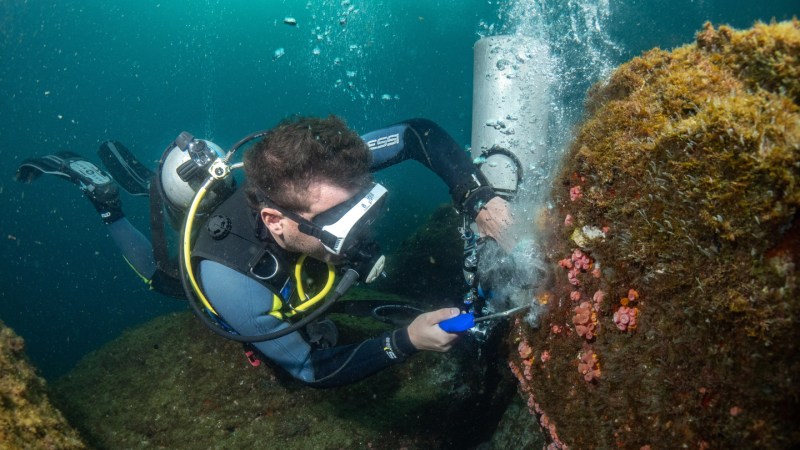
The recent approach of using compressed air to combat invasive sun corals in Brazil raises significant questions about marine management and the balance of ecosystems. As reported, this method effectively obliterates the soft tissue of these invasive species, preventing any chance of regeneration. While the immediate results may appear effective, we must consider the broader implications of such interventions on marine biodiversity and ecosystem health. This situation is reminiscent of other recent findings, such as how climate change is causing the Southern Ocean to “sweat” more, indicating a dramatic transformation in marine environments due to external pressures. These interconnected issues underscore the importance of understanding and managing our oceans with a comprehensive, science-based approach.
The use of air guns to remove invasive species is a radical response that underscores the urgency of addressing ecological imbalances. Invasive species like sun corals can disrupt local ecosystems, outcompeting native organisms and altering habitat structure. However, the method of eradication must be carefully considered. It is vital to recognize that aggressive interventions can have unforeseen consequences on the surrounding marine life. For example, while invasive species management is crucial, we must also learn from past experiences where heavy-handed tactics led to collateral damage, as discussed in our analysis of marine biology's role in the end of the Atlantic Cod moratorium. The balance between intervention and preservation is delicate, necessitating a thorough evaluation of potential long-term impacts.
Moreover, this technique raises ethical questions about how we interact with marine ecosystems. As stewards of the ocean, we have a responsibility to ensure that our methods of control do not undermine the very systems we aim to protect. In the quest for solutions, we should prioritize integrated approaches that leverage empirical data and innovative strategies to foster resilience in marine environments. Strategies that build on functional symbioses, as explored in our editorial on marine ecology, can lead to more sustainable outcomes. Rather than relying solely on destructive methods, fostering healthy ecosystems through restoration and rehabilitation may yield more enduring results.
As we consider the implications of using compressed air against invasive corals, we must also reflect on our collective responsibility to protect marine biodiversity. The urgency of climate change and its impacts on ocean health cannot be overstated. As we witness shifts like those in the Southern Ocean, it becomes clear that our oceans are not only facing challenges from invasive species but also from climate-related stressors. Therefore, the question arises: how can we develop a more holistic approach to marine management that incorporates both immediate action and long-term sustainability? The integration of technology and data-driven insights into ocean stewardship will be pivotal in guiding our efforts moving forward.
In conclusion, while the eradication of invasive sun corals using compressed air may seem a straightforward solution, it is essential to consider the potential consequences of such interventions on marine ecosystems. By fostering collaboration and embracing innovative, science-based approaches, we can better navigate the complexities of ocean management. As we look to the future, the challenge lies in asking how we can mitigate the impacts of invasive species while also addressing the broader issues of climate change and habitat degradation. The balance between immediate action and sustainable stewardship is where the future of ocean health will be determined.
Read on the original site
Open the publisher's page for the full experience