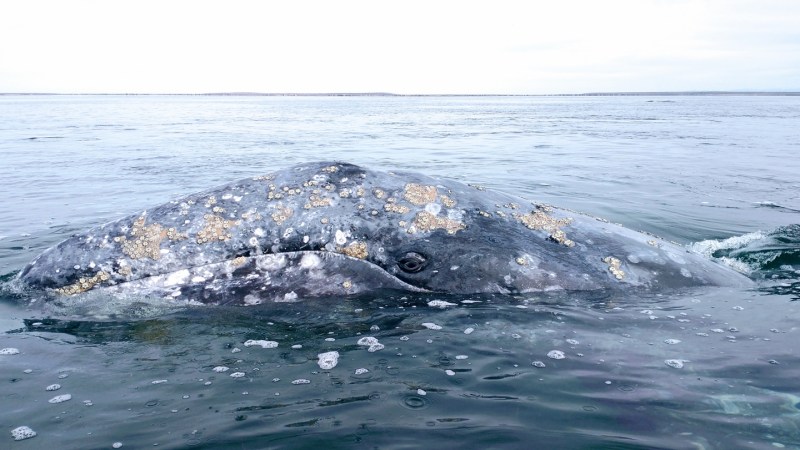
The recent influx of gray whales into San Francisco Bay has raised alarming concerns about their survival, as climate change appears to be altering their traditional migration paths and forcing them into hazardous environments. This situation is not merely a localized issue; it reflects a broader trend impacting marine species worldwide. As highlighted in our article, Gray whales are entering San Francisco Bay and many aren’t surviving, these majestic creatures are now facing increased mortality rates due to vessel strikes, underscoring the urgent need for comprehensive strategies to mitigate human impacts on marine life.
Gray whales, known for their extensive migratory journeys along the Pacific coast, are now entering San Francisco Bay in search of food, a behavior that has become increasingly common as climate change disrupts their typical foraging grounds. The Gray whales (Eschrichtius robustus) in San Francisco Bay experience high mortality and have limited affiliation to known foraging groups article discusses how this shift in behavior highlights the broader implications of changing oceanic conditions, including altered prey availability and the need for adaptive responses from wildlife. The heightened risk of vessel strikes compounds these challenges, as busy shipping lanes and recreational boating activities collide with the whales' new foraging habits.
This intersection of climate change and human activity raises vital questions about our stewardship of marine ecosystems. The rising mortality rates among gray whales serve as a stark indicator of the urgent need for integrated conservation efforts. While it is critical to understand the biological and ecological dynamics at play, we must also acknowledge our role in creating solutions that prioritize both marine health and human activity. Implementing measures such as speed restrictions for vessels in critical habitats and enhancing awareness about the presence of these whales are necessary steps toward fostering a safer environment for them.
As we grapple with the realities of climate change, it is imperative that we move beyond alarmist narratives and focus on collaborative, evidence-based approaches to ocean stewardship. The plight of the gray whale is not just an isolated incident; it is a reflection of the interconnectedness of climate, ecology, and human activity. The time to act is now, as the decisions we make today will shape the future of marine biodiversity and our shared oceanic resources.
Looking ahead, it is essential for policymakers, researchers, and ocean enthusiasts to engage in a dialogue that emphasizes both the urgency of the current situation and the potential for innovative solutions. How can we leverage technology and scientific research to create a more integrated data ecosystem that informs our conservation strategies? As we continue to monitor the impacts of climate change on marine species, the case of the gray whale offers valuable lessons about resilience, adaptation, and the collective responsibility we share in safeguarding our oceans. The path forward will require not only awareness but also concerted action, as we work together to ensure the survival of these remarkable creatures in an ever-changing world.