Europa may not vent water into space after all
Our take
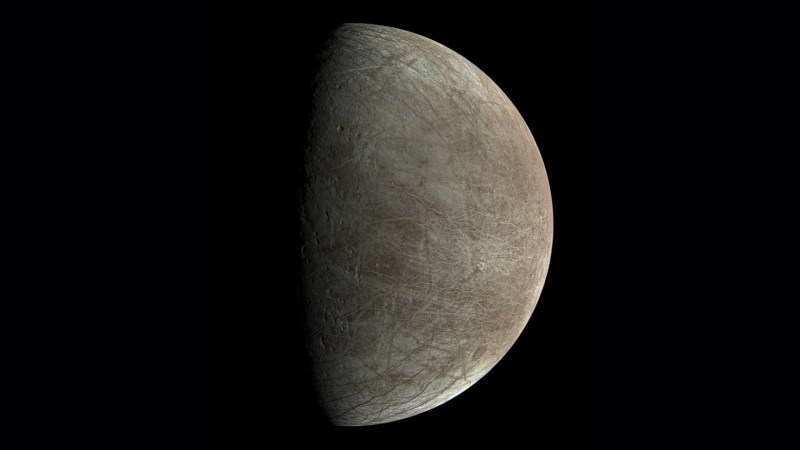
The ongoing exploration of Europa, one of Jupiter's moons, is a captivating chapter in our quest to understand the cosmos and the potential for extraterrestrial life. Recent discussions suggest that the icy surface of Europa may not vent water into space as previously speculated. This revelation is crucial, especially considering the significance of water in the search for life beyond Earth. As we await the insights from NASA's Europa Clipper spacecraft, scheduled for a closer look in 2030, we are reminded of the importance of empirical research in shaping our understanding of these celestial bodies. This debate mirrors the engagement seen in our community regarding ocean stewardship, like those participating in initiatives such as the Manta Caribbean Project, and the determination to identify the mysteries of our own planet, as highlighted in articles about marine discoveries like Anyone able to identify this? Found on the beach at Point Reyes in California.
The potential lack of water plumes on Europa has significant implications for astrobiology and our understanding of icy moons. Historically, the idea that these plumes could exist has fueled excitement about the possibility of life in environments previously thought inhospitable. The expectation was that these plumes could provide direct access to subsurface oceans, which might harbor microbial life. Thus, if the upcoming missions reveal that Europa does not release water into space, it could shift not only the scientific narrative but also the focus of future exploration strategies. The implications extend beyond celestial bodies; they resonate with ongoing discussions about ocean health and climate indicators here on Earth, reinforcing that the search for life — whether on distant moons or our own blue planet — requires rigorous scientific validation.
In a broader context, this development serves as a reminder of the dynamic nature of scientific inquiry. The debate surrounding Europa's potential water plumes exemplifies the iterative process of science — where hypotheses are tested, challenged, and refined. It is a call to embrace the uncertainties of exploration and the necessity of continuous investigation. This is akin to the questions raised in our understanding of animal navigation, as seen in articles like Homing pigeons may use a surprising navigation mechanism. Just as scientists investigate the mechanisms behind animal behaviors, the ongoing research into Europa will refine our understanding of planetary processes and the conditions that may lead to life.
Looking ahead, the upcoming findings from NASA's Europa Clipper mission will undoubtedly catalyze further discussions within the scientific community and the public alike. As we prepare for these revelations, it is essential to reflect on the profound implications they may hold—not just for our understanding of Europa, but for our broader relationship with the universe and our own planet. How will the outcomes of this mission influence our approach to planetary exploration and the search for life beyond Earth? As we navigate these questions, our commitment to scientific integrity and collaboration will remain central in shaping the future of ocean stewardship and space exploration.
Read on the original site
Open the publisher's page for the full experience