Earth is splitting open beneath the Pacific Northwest, scientists say
Our take
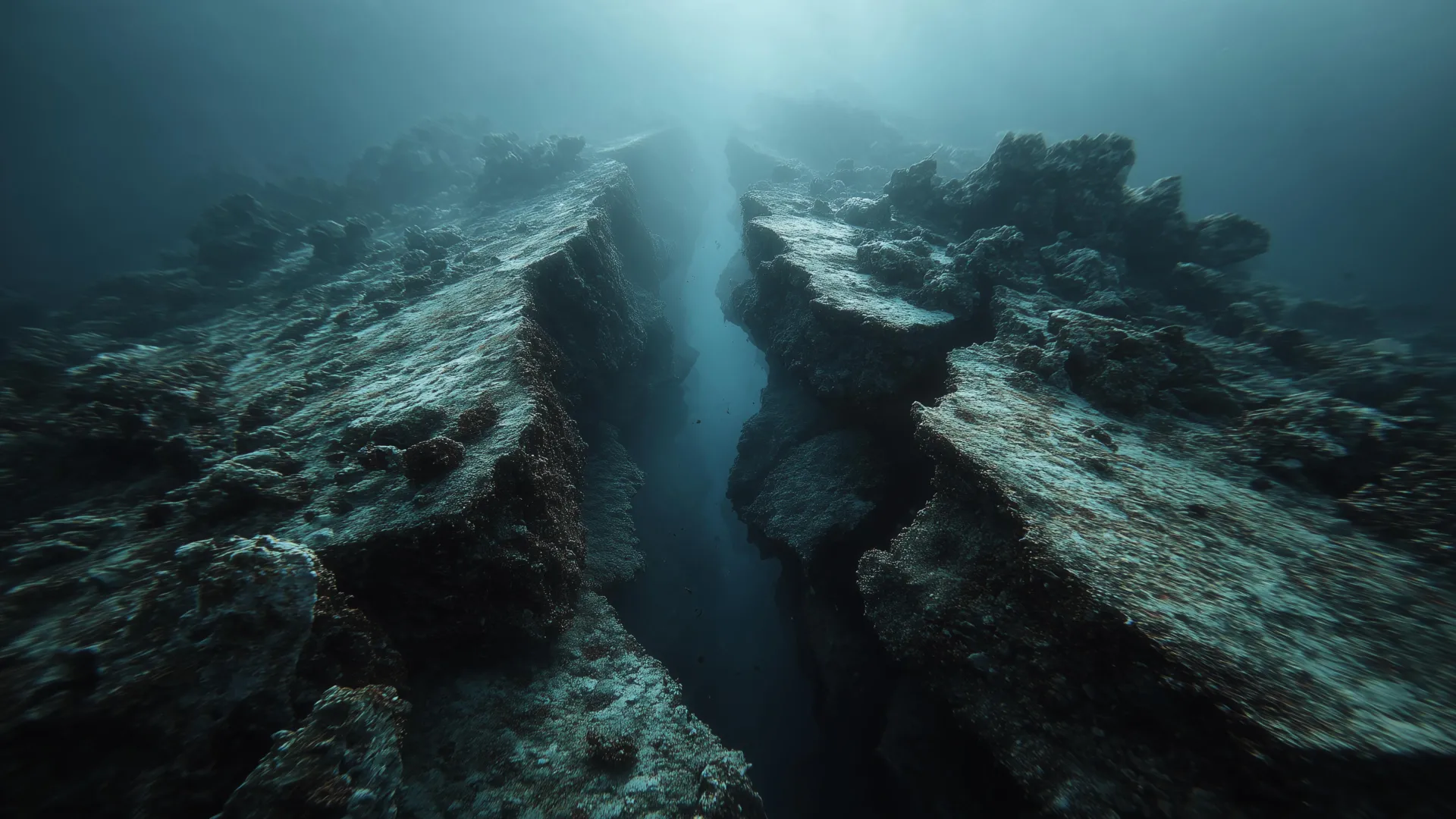
The recent discovery of the Juan de Fuca plate splintering beneath the Pacific Northwest marks a significant advancement in our understanding of tectonic processes. Utilizing advanced seismic imaging techniques, scientists have documented this subduction zone's gradual disintegration, likening it to a train derailing piece by piece rather than experiencing a sudden collapse. This nuanced observation has broad implications, not only for geological science but also for our understanding of earthquake behavior in the region. Such insights are crucial as they enhance our predictive capabilities, which can ultimately aid in disaster preparedness and response in coastal communities.
This finding resonates with themes explored in our previous articles, such as the question of climate change mitigation strategies, as discussed in "Ocean Biomass Burial to Combat Climate Change?." Just as understanding the dynamics of subduction zones can inform policy and planning, recognizing the intricate relationships between geological processes and climate change is vital for crafting effective environmental strategies. Similarly, the ongoing inquiry into hantavirus transmission, as highlighted in "Hantavirus questions grow in the wake of a cruise ship outbreak," underscores the interconnectedness of ecological and geological health, reminding us that our oceans and land are part of a larger system that requires vigilant stewardship.
Moreover, the implications of the Juan de Fuca plate’s fragmentation extend beyond geology. The new data could refine models for earthquake prediction, which are essential for communities in the Pacific Northwest that face seismic risks. As scientists continue to decode the behavior of tectonic plates, they gain insights into not only the geological past but also potential future outcomes. Understanding the mechanics of plate tectonics can lead to improved construction practices, infrastructure resilience, and community preparedness strategies, which are crucial as climate change continues to heighten environmental uncertainties.
As we contemplate these revelations, it becomes clear that our approach to ocean stewardship must evolve in tandem with our scientific understanding. The ocean is not merely a backdrop to human activity; it is a dynamic system with its own complexities and vulnerabilities. As we observe the Juan de Fuca plate’s gradual disintegration, we must ask ourselves how our actions influence ocean health and what steps we can take to mitigate potential disasters. The integration of geological and oceanographic data can create a more comprehensive picture of how our planet functions, enabling us to make informed decisions that prioritize both human safety and ecological integrity.
Looking ahead, we should consider how advancements in technology, like seismic imaging, can be harnessed to monitor and protect our oceans with greater efficacy. As we deepen our understanding of the Earth’s processes, the challenge lies in translating this knowledge into policies and practices that foster global collaboration in ocean stewardship. How can we ensure that the insights gained from the study of subduction zones inform a broader dialogue on climate change, ocean health, and community resilience? The answers to these questions will shape our approach to the challenges that lie ahead, and it is incumbent upon us to engage in this critical conversation.
Read on the original site
Open the publisher's page for the full experience