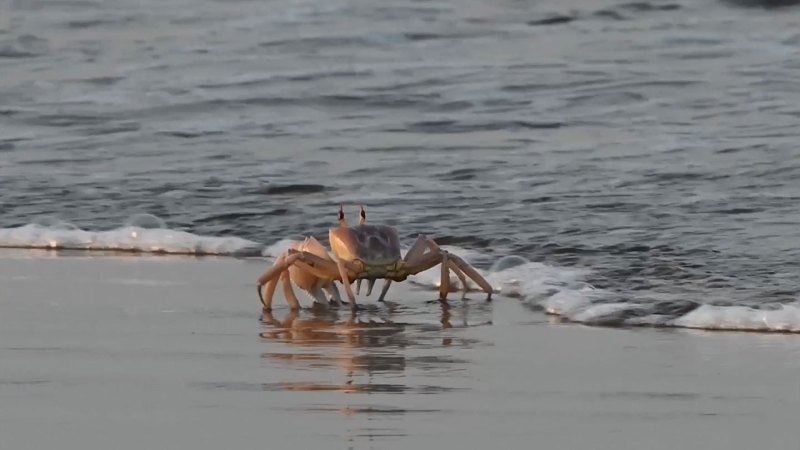
The recent study revealing that the iconic sideways walking behavior of crabs may have evolved from a single ancestor offers a fascinating glimpse into the evolutionary dynamics of marine life. By examining 50 species of crabs in Japan, researchers have illuminated the role that this unique locomotion plays in the remarkable diversity seen within the group. This finding not only enriches our understanding of crab evolution but also underscores the complexities of marine ecosystems and their adaptive strategies. Insights like these are crucial as we strive to comprehend the intricate relationships that define oceanic biodiversity, similar to what we explore in our Seasonal changes in phytoplankton community of the Straits of Florida near the Florida Keys and The Ocean Race to collect more data about the environment than any sporting event in the world - The Ocean Race articles, which highlight the interconnectedness of marine species and their environments.
The evolutionary significance of the sideways walk cannot be underestimated. This adaptation likely provided early crabs with advantages in navigating their environments, enabling them to efficiently evade predators and hunt for food. The study suggests that this mode of locomotion contributed to the diversification of crabs, allowing them to exploit various ecological niches and thrive in different habitats. Understanding such evolutionary traits helps researchers piece together the history of marine life, revealing how specific adaptations can lead to extensive speciation. This is particularly important in the context of ongoing environmental changes, as the ability of species to adapt can directly impact their survival.
Moreover, the focus on a single ancestral trait raises important questions about the mechanisms of evolution itself. It invites a broader conversation about how traits can become fixed in a lineage and how such traits can influence the evolution of related species. As the ocean environment continues to change due to climate change and human activities, understanding these evolutionary pathways becomes even more critical. If we are to develop effective conservation strategies, it is essential to grasp how traits like the crab’s sideways walk have shaped not only the species themselves but also the ecosystems they inhabit.
While the study provides a compelling narrative about adaptation and diversity, it also serves as a reminder of our shared responsibility for ocean stewardship. As we uncover the historical intricacies of marine species, we are called to reflect on how our actions today might influence the future of these ecosystems. The urgency of preserving biodiversity is echoed in our ongoing discussions about marine health and resilience, emphasizing the need for a collaborative approach to understanding and mitigating the impacts of climate change on ocean life.
Looking ahead, the implications of this study extend beyond the realm of evolutionary biology. They prompt us to consider how newly discovered evolutionary patterns might inform our conservation efforts and ecological management strategies. What other traits may be tied to the survival and success of marine species? As we continue to explore the depths of ocean intelligence, the lessons learned from crabs and their adaptations could play a crucial role in shaping our understanding of marine biodiversity in the face of environmental change. This ongoing inquiry into the past will be vital as we navigate the challenges that lie ahead for our oceans and their inhabitants.