Cows’ methane burps may be fueled by a newfound organelle in gut microbes
Our take
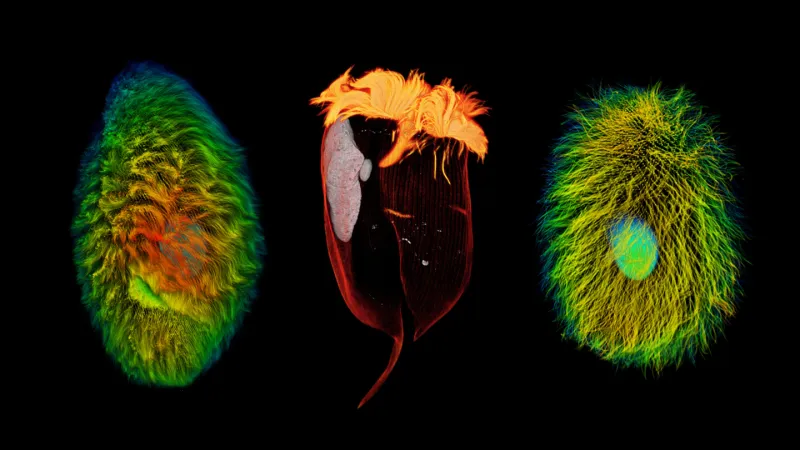
The recent discovery of a tiny organelle called a hydrogenobody in the gut microbes of cows has significant implications for our understanding of methane production in livestock. This finding not only sheds light on the biological processes underlying methane emissions but also raises important questions regarding the intersection of agricultural practices and climate change. As methane is a potent greenhouse gas with a warming potential many times greater than carbon dioxide, understanding its sources is crucial. This discovery aligns with the broader discussion of the need for strategic investment in sustainable practices within the agricultural sector, as emphasized in articles like World Economic Forum: Here's why we need Strategic investment in the Ocean economy and Scientists discover the strange way CO2 cools part of Earth’s atmosphere.
The presence of hydrogenobodies in ciliates suggests a complex and previously underappreciated interaction within the rumen microbiome. These organelles could be key drivers of methane production, indicating that microbial communities play a far more significant role in greenhouse gas emissions than previously understood. This knowledge could pave the way for innovative strategies aimed at mitigating methane emissions from livestock, such as the selective breeding of cows with microbiomes that produce less methane or the development of targeted feed additives that disrupt methane-generating processes. Addressing methane emissions is not just an agricultural challenge; it is a critical component of our global climate strategy, necessitating collaborative efforts across disciplines and industries.
Moreover, the intricate relationship between livestock, their gut microbiomes, and methane production underscores the necessity of a systems approach to climate change. As highlighted in our article on Hurricane impacts on oyster reef habitat in a large, wind-driven estuary, understanding how different ecological systems interact can provide insights into resilience and adaptation strategies. The agricultural sector must recognize its role in the larger ecological framework and take decisive action to reduce its carbon footprint. This includes not only addressing methane emissions but also considering how agricultural practices impact ocean health and climate regulation.
As we delve deeper into the implications of the hydrogenobody discovery, it becomes essential to foster a sense of shared responsibility among stakeholders, including farmers, researchers, policymakers, and consumers. The urgency of addressing climate change cannot be overstated, and every sector must contribute to solutions that are both sustainable and effective. This discovery in cows’ gut microbes could serve as a catalyst for renewed dialogue and action in the agricultural sector, prompting cross-disciplinary collaborations that prioritize ecological integrity alongside food production.
Looking ahead, the challenge remains: how can we leverage this newfound understanding of methane production to foster innovative and sustainable agricultural practices? The integration of scientific knowledge with practical applications will be vital in our collective efforts to combat climate change. As we continue to explore the complexities of the microbial world and its impact on greenhouse gas emissions, the potential for transformative change in agricultural practices becomes increasingly evident. The path forward may be illuminated by this research, but it will require concerted action and collaboration to realize its full potential.
Read on the original site
Open the publisher's page for the full experience