Celebrate America’s 250th birthday at a new state flower exhibit
Our take
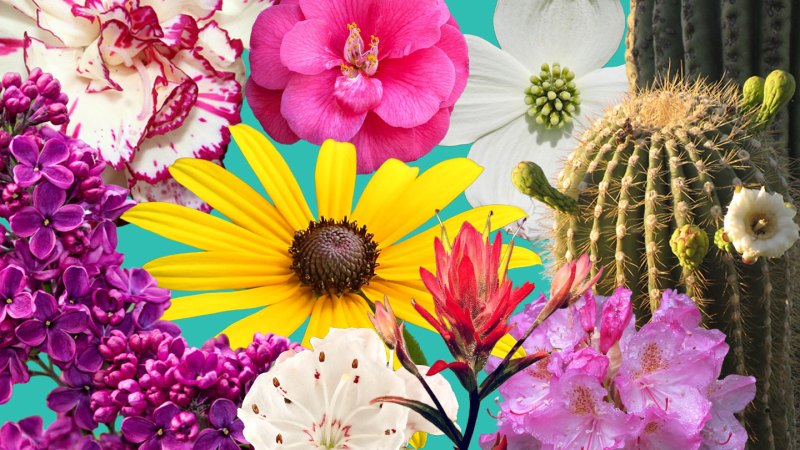
As America prepares to celebrate its 250th birthday, the U.S. Botanic Garden in Washington, D.C., presents a unique opportunity to engage with the nation’s natural heritage through a new exhibit featuring state flowers. Open now until October 12, 2026, this exhibit invites visitors to explore the diverse flora that represents each state, highlighting the intricate relationship between plants and their ecosystems. This initiative not only honors the botanical diversity of the United States but also underscores the importance of environmental stewardship, a theme that resonates deeply in light of ongoing discussions about the health of our planet. As we reflect on our connection to nature, it is essential to recognize how our actions impact diverse ecosystems, as explored in articles like Spatial and temporal changes in cumulative human impacts on the world’s ocean - Nature.
The exhibit serves as a reminder that every state has its unique floral identity, which is not merely a symbolic representation but also a reflection of local ecosystems and biodiversity. By celebrating these state flowers, we acknowledge the varied climatic and geographical conditions that shape them. This acknowledgment fosters a greater appreciation for biodiversity and promotes an understanding of the ecological roles these plants play. For instance, many state flowers are crucial for local pollinators, and their survival can be threatened by habitat loss and climate change. The importance of these issues is echoed in discussions about human impacts on marine environments, as seen in articles like Is this a tooth from Punta Cana? and I found this on a beach in Drake Bay, Costa Rica, which highlight the need for a deeper understanding of our interactions with ecosystems.
Moreover, the U.S. Botanic Garden’s initiative is an excellent platform for educating visitors about the significance of conservation and sustainable practices. By providing a space where people can connect with nature, the exhibit encourages dialogue about the challenges facing our natural world, particularly as we confront the realities of climate change and environmental degradation. The urgency of these conversations is amplified by recent findings regarding the cumulative human impacts on the world’s oceans, which serve as a stark reminder of the interconnectedness of all ecosystems. Understanding the implications of our actions on both terrestrial and marine environments is vital as we strive to cultivate a more sustainable future.
As we reflect on America’s past and look toward its future, this exhibit becomes more than just a celebration; it is a call to action. It invites us to consider how we can contribute to the preservation of our natural heritage and the health of our ecosystems. It raises important questions about our collective responsibility in safeguarding these vital resources for future generations. Will we heed the lessons of our environment? Will we foster a deeper connection with the natural world? These are questions that merit thoughtful consideration as we celebrate our nation’s rich botanical diversity and recognize the essential role it plays in the larger narrative of global environmental stewardship. The future of our planet depends on our willingness to engage with these challenges and work collaboratively for a healthier, more sustainable world.
Read on the original site
Open the publisher's page for the full experience