Can DEET attract mosquitoes? A lab study offers clues
Our take
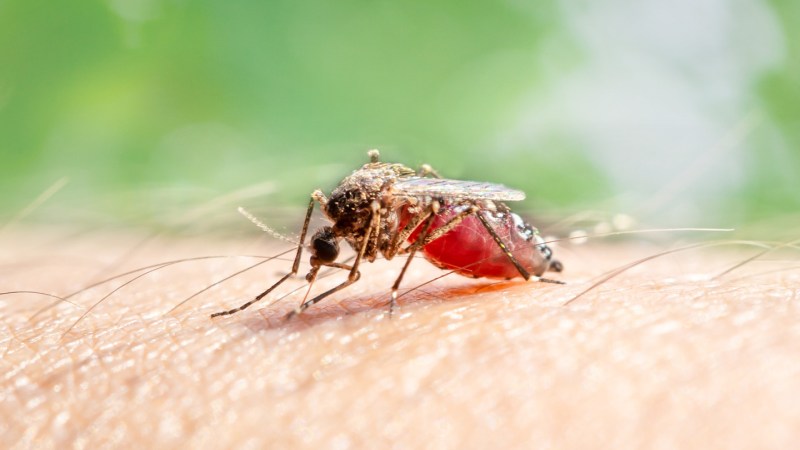
The recent findings from lab experiments suggest that mosquitoes may not only detect DEET but also learn to associate it with food. This intriguing development raises questions about the efficacy of one of the most widely used insect repellents and underscores the importance of understanding mosquito behavior in both laboratory and natural settings. The implications of this research extend beyond mere annoyance; they touch upon public health, ecological balance, and the ongoing battle against vector-borne diseases. As we examine these findings, it's essential to consider the broader context of insect behavior and the potential need for innovative solutions in pest management.
Understanding mosquito behavior is critical, especially in light of the rising incidence of diseases like malaria and dengue fever. The notion that mosquitoes can learn to associate DEET with food challenges the assumption that repellents can be relied upon exclusively for protection. If these insects are indeed capable of altering their behavior in response to DEET exposure, it could necessitate a reevaluation of how we approach mosquito control strategies. This situation is reminiscent of other fields where behavioral adaptations have emerged in response to human interventions. For instance, as highlighted in our article on AI bots ignore evidence. Can we trust them with science?, it underscores the complexity of behavioral science and the need for rigorous examination of our assumptions.
Moreover, the findings prompt a critical examination of our reliance on chemical repellents. While DEET has been proven effective in many scenarios, the potential for mosquitoes to adapt and learn could lead to decreased efficacy over time, necessitating further research into alternative or complementary strategies. This is particularly relevant as we explore sustainable approaches to pest control, balancing human health needs with ecological integrity. The pressure on our ecosystems from pollutants and invasive species, as outlined in our piece on How much plastic waste ends up in the ocean? - Our World in Data, underscores the importance of maintaining biodiversity and ecosystem health, which can influence mosquito populations and behavior.
As we look to the future, these insights compel us to consider innovative solutions that harness our understanding of mosquito behavior and the environment. Could integrating ecological approaches with technological advances lead to more effective mosquito control methods? The urgency of addressing vector-borne diseases within the context of climate change and habitat disruption makes this a critical area for research and collaboration. The evolving nature of insect behavior, as indicated by recent studies, will likely play a significant role in shaping future pest management strategies.
In conclusion, while the laboratory findings regarding DEET and mosquito behavior provide valuable insights, they also highlight the complexity of ecological interactions and the need for adaptive strategies in pest management. As researchers continue to explore these dynamics, the question remains: how will we adapt our approaches in light of these new understandings? The intersection of science, public health, and environmental stewardship is where we must focus our efforts to ensure we are prepared for the challenges that lie ahead.
Read on the original site
Open the publisher's page for the full experience