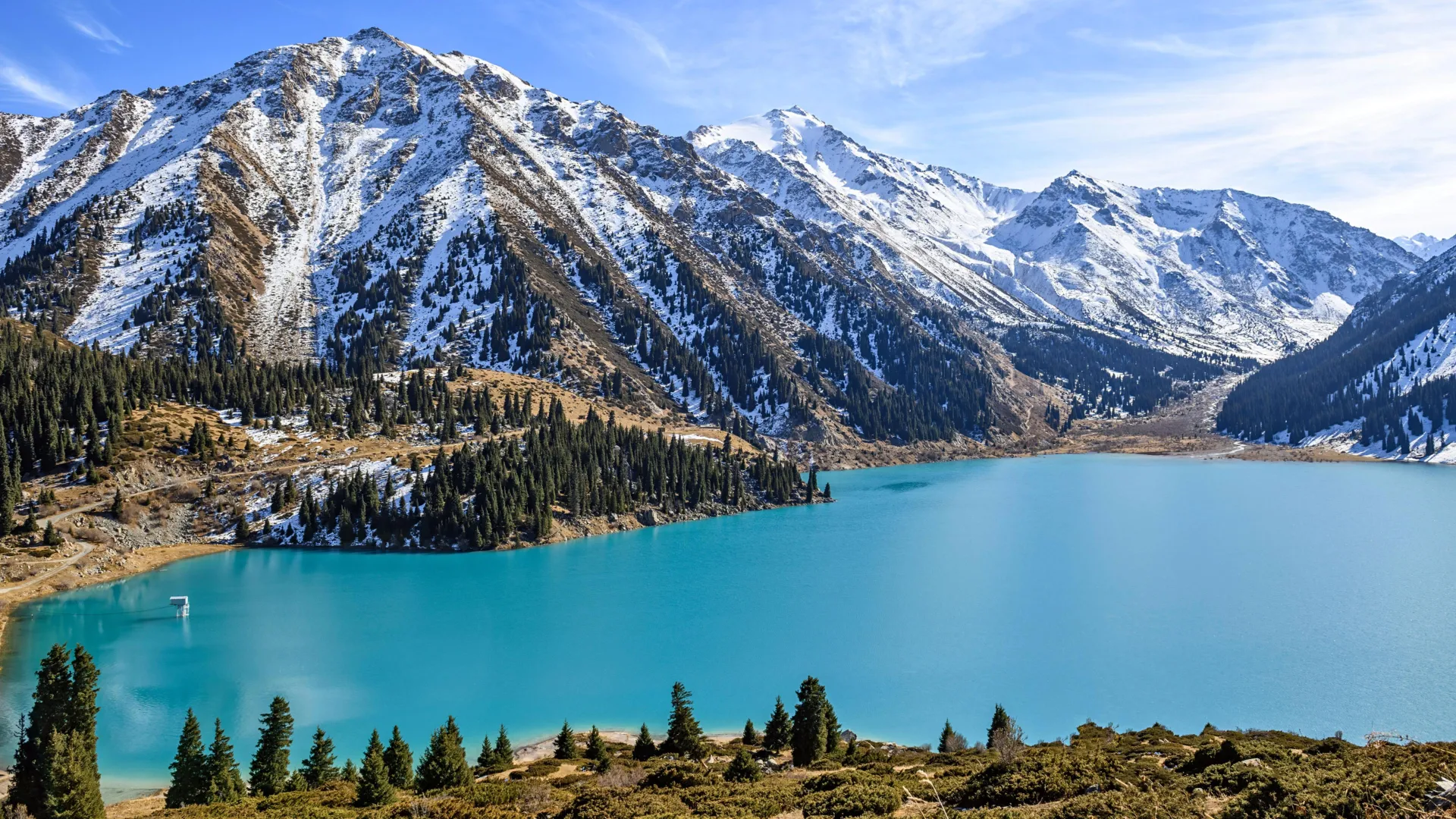
The recent discovery that the long-vanished Tethys Ocean played a significant role in shaping Central Asia's mountainous landscape during the dinosaur era is a remarkable advancement in our understanding of geological processes. Researchers have employed decades of geological data to establish a link between tectonic activities associated with this ancient ocean and periods of rapid mountain formation. Surprisingly, it appears that climate and mantle processes, which are often thought to be primary drivers in such geological changes, played only a minor role. This finding challenges long-held assumptions and could reshape how scientists understand mountain-building processes globally.
The implications of this research extend far beyond the specific context of Central Asia. Understanding the mechanisms behind mountain formation not only enriches our geological knowledge but also informs us about the interplay between tectonics and climate over geological time scales. As exemplified in our previous discussions about oceanic phenomena, such as the challenges posed by Tracking Ocean Plastic From Space - NASA Earthdata (.gov), the oceans are crucial players in our planet's dynamic systems. They not only contribute to climate regulation but also influence geological features through tectonic activities.
Moreover, this new evidence from the Tethys Ocean serves as a reminder of the interconnectedness of Earth's systems. The ocean is more than just a body of water; it is a fundamental component of the Earth’s geological and climatic systems. As we continue to explore these relationships, we gain insights that could aid in addressing contemporary challenges, such as climate change and its impacts on both marine and terrestrial ecosystems. This discovery complements our understanding of how human activities interact with these complex systems, an important consideration as demonstrated in articles like Russian Navy Covers Nuclear Submarines With Anti-Drone Nets To Protect From Ukrainian Drones, which highlight the geopolitical interactions surrounding ocean and maritime environments.
As we look toward the future, this research raises critical questions about the role of oceans in shaping not only our planet's geography but also its climate and ecosystems. How might our understanding of ancient oceans influence current and future geological studies? With ongoing climate change, the lessons learned from the past could guide how we approach environmental stewardship today. The urgency of ocean stewardship cannot be overstated; as we uncover more about the historical significance of oceans, we can better advocate for their protection and management in light of modern challenges.
In conclusion, the insights gained from the study of the Tethys Ocean remind us that our planet's history is a tapestry woven from complex interrelations. As scientists continue to unravel these threads, we must remain vigilant and proactive in our stewardship efforts, recognizing that a deep understanding of our planet's past is essential for navigating its future. The connection between ancient geological processes and modern environmental challenges presents a crucial area for further exploration, and it is a conversation that we, as a global community, must engage in collectively.