An endangered mouse may need a helping hand to adapt to climate change
Our take
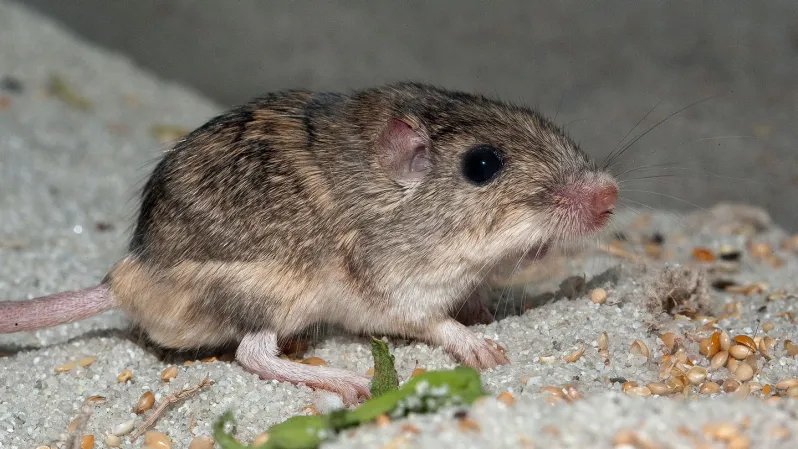
The plight of the Pacific pocket mouse serves as a compelling case study in the broader narrative of biodiversity and climate resilience. Isolated geographically, this small rodent species faces the dual challenges of habitat loss and climate change, yet it possesses the genetic diversity that may enable it to adapt in the face of these threats. This scenario raises critical questions about how we approach conservation efforts and the potential role of genetic diversity as a buffer against environmental change. With climate change already impacting ecosystems worldwide, understanding the genetic resilience of species like the Pacific pocket mouse is crucial for developing effective conservation strategies.
The Pacific pocket mouse's situation echoes themes discussed in our recent articles, such as the significance of biodiversity in Arctic ecosystems as highlighted in "Islands of biodiversity created by remote Arctic kelp forests of the central Kitikmeot Sea" and the urgent need for strategic investment in the ocean economy outlined in "World Economic Forum: Here's why we need Strategic investment in the Ocean economy." These narratives collectively underscore the interconnectedness of species, ecosystems, and climate health, illustrating that the fate of one species can reflect the overall health of its habitat.
The genetic resilience observed in the Pacific pocket mouse is a beacon of hope, yet it also serves as a reminder of the fragility of these isolated populations. The ability to adapt hinges not only on genetic diversity but also on the availability of suitable habitats and the pressures exerted by climate change. As we consider conservation strategies, it is vital to foster environments that support the natural adaptation processes of species, rather than imposing artificial constraints that could limit their potential to thrive. This approach aligns with our growing understanding of ecological networks, where the health of one species can significantly impact the broader ecosystem.
Moreover, the implications of this case extend beyond the Pacific pocket mouse. The ocean, often viewed as a vast expanse, is home to numerous species facing similar challenges. As we delve deeper into the ocean's role in climate regulation, as discussed in "Beneath the waves, the ocean holds a hidden record of our planet’s changing climate. Most of the Earth's excess heat is...," we must recognize the importance of preserving genetic diversity across all marine and terrestrial life. The interdependence of species within ecosystems highlights the critical need for collaborative conservation efforts that prioritize genetic diversity while adapting to the ongoing realities of climate change.
As we look to the future, the question remains: how can we effectively harness the genetic diversity of species like the Pacific pocket mouse to inform broader conservation strategies? The urgency of climate change necessitates innovative approaches that not only protect individual species but also enhance the resilience of entire ecosystems. By fostering global collaboration and investing in scientific research, we can create a more sustainable future for both the Pacific pocket mouse and the myriad of species that share its fragile habitat. The path forward lies in our ability to adapt and respond to these challenges with scientific integrity and a shared sense of responsibility.
Read on the original site
Open the publisher's page for the full experience