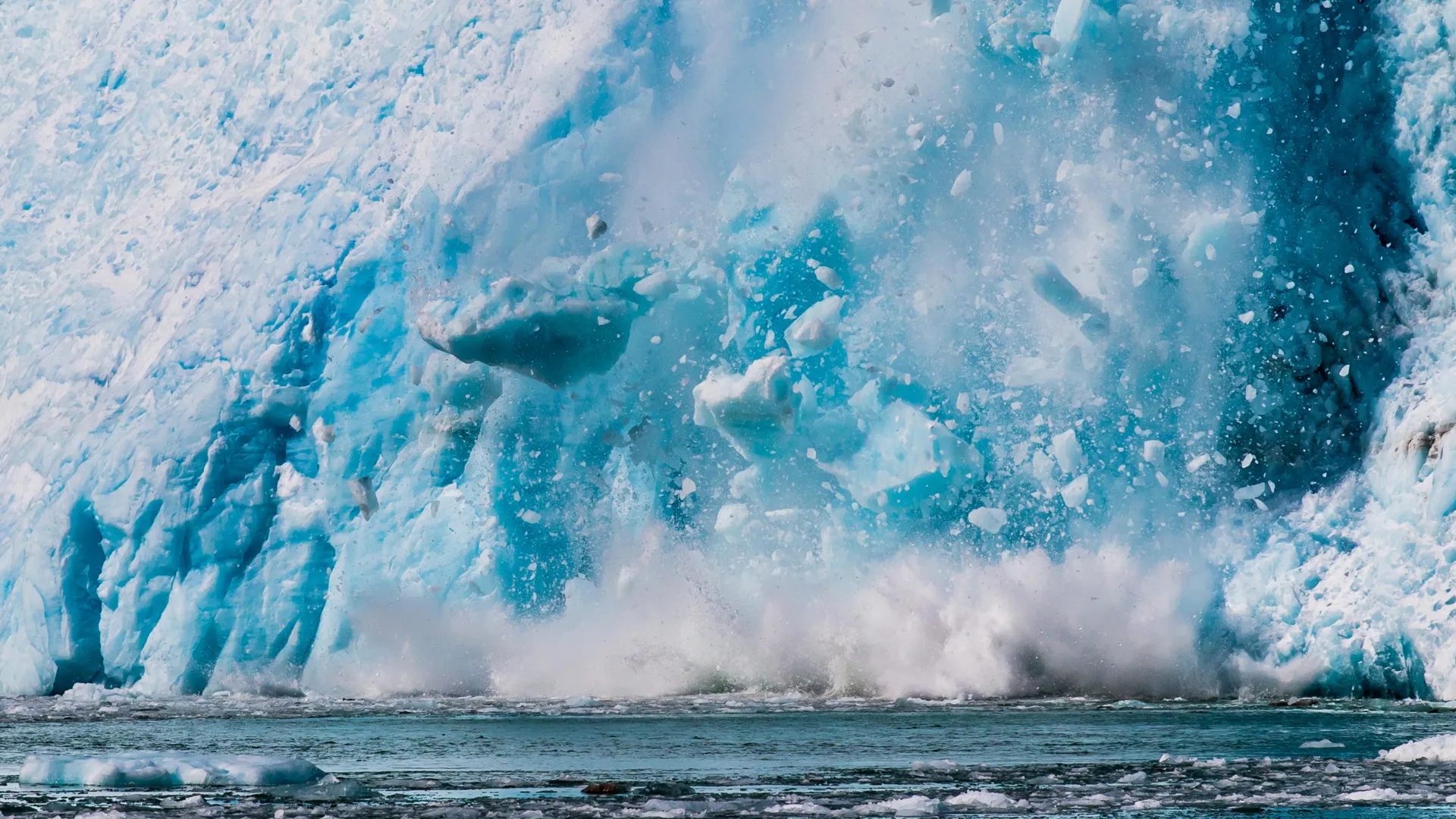
The recent findings regarding Alaska’s glaciers and their accelerated response to rising temperatures underscore a critical and increasingly urgent trend within our global climate system. Utilizing radar satellite data to monitor over 3,000 glaciers, researchers have established a direct, measurable link between temperature increases and extended melting periods – a three-week extension for every 1°C (1.8°F) rise in average summer temperature. This isn't merely an incremental shift; it represents a significant acceleration of glacial melt, amplified by the impact of intense heat waves which strip away protective snow cover, exposing ice to increased solar radiation. The broader context of this discovery highlights the interconnectedness of climate systems, as detailed in How is climate change impacting the world’s ocean - Welcome to the United Nations, demonstrating how glacial melt contributes to rising sea levels and alters ocean salinity, with cascading effects on marine ecosystems. The challenge of managing these impacts is further complicated by emerging threats, like those identified in An invisible forever chemical rain is falling across the planet, requiring a holistic approach to ocean health.
The precision of this study – employing integrated data ecosystems and calibrated satellite observations – is particularly noteworthy. Previous assessments often relied on less granular data, making it difficult to pinpoint the exact mechanisms driving glacial retreat. The finding that heat waves can accelerate ice loss by up to 28% by removing snow cover introduces a critical refinement to our understanding. This suggests that extreme weather events, which are projected to increase in frequency and intensity with continued warming, will play an outsized role in future ice loss. It reinforces the need for longitudinal studies, tracking these changes over extended periods, to better predict long-term impacts. The validated methodology employed here provides a robust foundation for future research and allows for more accurate modelling of sea-level rise scenarios. This research also aligns with efforts to understand and mitigate the impacts of plastic pollution, as outlined in Stemming plastic pollution to protect the ocean - OECD, which further stresses the importance of a data-driven approach to ocean stewardship.
The implications of accelerated glacial melt extend far beyond rising sea levels. Glacier water contributes significantly to freshwater resources for communities and ecosystems downstream. Rapid melt can initially increase water availability, but ultimately leads to reduced flows and potential water scarcity. Furthermore, the influx of freshwater alters ocean salinity, impacting ocean currents and potentially disrupting marine ecosystems. The loss of glacial ice also diminishes the planet's reflectivity, or albedo, further contributing to warming as darker ocean water absorbs more solar radiation. These interconnected effects demonstrate the profound and multifaceted consequences of even seemingly incremental temperature increases. We are witnessing a feedback loop, where warming leads to accelerated ice loss, which in turn amplifies warming.
Looking ahead, the question becomes: how can we leverage this improved understanding of glacial sensitivity to inform more effective mitigation and adaptation strategies? The ability to accurately predict glacial response to temperature changes, empowered by real-time data and integrated modeling, represents a significant advancement. However, translating this knowledge into actionable policies and global collaboration remains a critical challenge. Continued investment in ocean intelligence – encompassing satellite monitoring, data analysis, and predictive modelling – is essential to ensure we can respond proactively to the accelerating changes unfolding in the Arctic and beyond. The future of coastal communities and the stability of our climate systems may well depend on our ability to accurately assess and address the implications of this startling response.