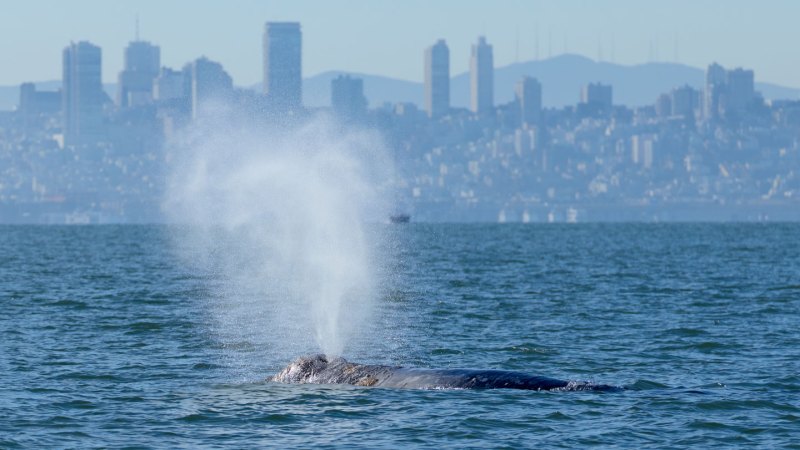
The recent development of AI-powered technology designed to detect gray whales in San Francisco Bay represents a significant leap in our ability to merge conservation efforts with technological innovation. By utilizing thermal imaging to identify the body heat of whales, this system aims to prevent vessel collisions, thereby protecting these majestic creatures and their habitat. This advancement not only reflects the potential of artificial intelligence to offer practical solutions to pressing environmental challenges but also underscores a growing recognition of our shared responsibility in ocean stewardship.
As we navigate the complexities of climate change and its impacts on marine ecosystems, the urgency for effective intervention has never been more pronounced. The integration of tools like AI in wildlife protection aligns with broader scientific initiatives aimed at safeguarding ocean health. For instance, recent research highlighted in Hidden earthquake faults beneath Seattle may be more dangerous than expected illustrates the importance of understanding and monitoring natural phenomena to foster resilience in coastal areas. Similarly, the creation of a global DNA barcode reference library for Solenogastres (Mollusca, Aplacophora) showcases how innovative biological research can inform conservation strategies. In this context, the whale-spotting AI serves as a practical example of how technology can merge with scientific inquiry to create actionable solutions.
The implications of this technology extend beyond the immediate benefits of reducing whale-ship collisions. It represents a paradigm shift in how we can approach marine conservation, utilizing real-time data and predictive analytics to enhance our understanding of marine life. The precision afforded by AI opens avenues for further research into the behaviors and movements of gray whales, providing invaluable insights that can inform policy and conservation strategies. Moreover, the potential for scaling such technologies means that similar approaches could be applied to protect other endangered species, fostering a more comprehensive strategy for biodiversity preservation.
Looking ahead, we must consider the broader significance of these advancements. As marine ecosystems face unprecedented challenges from climate change, pollution, and habitat destruction, the integration of technology in conservation efforts will be crucial. However, the success of such initiatives will depend on collaborative efforts among scientists, policymakers, and the public. The question that arises is how we can ensure that these technologies are effectively implemented and widely adopted across different regions and ecosystems. As we continue to innovate, it is essential to foster a culture of shared responsibility and collective action in ocean stewardship, paving the way for a sustainable future where technology and nature coexist harmoniously.
In conclusion, the emergence of AI-powered whale detection systems highlights the potential for technology to play a transformative role in marine conservation. As we embrace these innovations, we must remain vigilant and proactive in our approach, ensuring that our commitment to protecting ocean health is grounded in scientific integrity and global collaboration. The journey towards a sustainable ocean ecosystem is complex, but with the right tools and a collective sense of purpose, we can pave the way for a brighter future.