A ‘Super El Niño’ may be on the way. What does that mean?
Our take
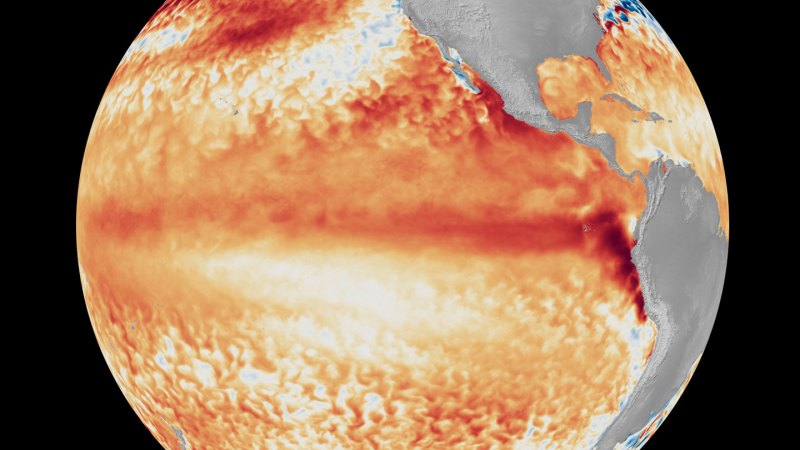
The looming possibility of a "super El Niño" demands serious attention, particularly given the potential for cascading impacts across global systems. Recent reporting indicates climate experts are anticipating “shockingly high” temperatures this winter, a stark reminder of the escalating effects of a changing climate. Understanding these phenomena requires a comprehensive approach, one that integrates historical data with real-time observations – a principle at the core of World Data Ocean’s mission. The potential for widespread flooding, deadly fires, and disease outbreaks, as demonstrated by past super El Niños, underscores the urgency of robust ocean monitoring and predictive modeling. These events highlight the interconnectedness of climate systems and the importance of investing in technologies that enhance our ability to anticipate and mitigate their consequences. Our work, and that of others, emphasizes the need for a validated, longitudinal perspective on these patterns, moving beyond short-term observations to build a more complete picture of ocean behavior and its influence on global climate. Consider, for instance, the recent warning from scientists that a planned reduction in US ocean monitoring could leave the world “flying blind,” Scientists warn Trump plan to axe US ocean monitoring system will leave world ‘flying blind’ - The Guardian. This vulnerability underscores the criticality of integrated data ecosystems and the need for international collaboration to ensure comprehensive ocean intelligence.
The complexities of ocean-climate interactions extend beyond large-scale El Niño events. The intricate relationship between marine organisms and their environment, as exemplified by research examining the symbiosis between giant clams and Symbiodiniaceae, Host filtering shapes diversity and community stability of Symbiodiniaceae in Tridacna maxima across the Nansha Archipelago in the South China Sea, demonstrates how seemingly localized changes can ripple outwards, impacting broader ecosystem stability. Super El Niños often exacerbate these existing vulnerabilities, leading to coral bleaching, shifts in marine species distribution, and disruptions to food webs. Furthermore, innovations like those showcased in the recent approval of rotor sails for medium-range tankers Anemoi Secures Approval For Rotor Sail Integration On Medium-Range Tankers, while focused on maritime efficiency, indirectly contribute to a more sustainable future by reducing carbon emissions, mitigating the drivers of climate change and lessening the likelihood of extreme events. These efforts underscore a broader trend towards integrating technological solutions with responsible environmental stewardship.
The predictive power of current climate models, while continually improving, still faces challenges in accurately forecasting the intensity and duration of super El Niños. The sheer scale and complexity of the ocean-atmosphere system, combined with the influence of various feedback mechanisms, introduce inherent uncertainties. Empirical data, rigorously calibrated and validated through peer-reviewed research, remains the cornerstone of reliable predictions. This necessitates a sustained commitment to ocean observation networks, satellite monitoring, and the development of advanced data analytics techniques. The "shockingly high" temperature projections for this winter highlight the need for proactive adaptation strategies, particularly in vulnerable coastal communities and regions reliant on agriculture. Understanding climate indicators in real-time is paramount to informing policy decisions and facilitating effective disaster preparedness.
Looking ahead, the interplay between a potential super El Niño and the ongoing effects of anthropogenic climate change presents a particularly concerning scenario. Will these superimposed stressors amplify each other, leading to unprecedented environmental and societal disruptions? The question isn't whether we will experience the impacts of climate change, but how effectively we can leverage ocean intelligence and collaborative innovation to build resilience and mitigate future risks. The development of integrated data ecosystems, coupled with a renewed emphasis on global collaboration, will be crucial in navigating this complex landscape and ensuring a sustainable future for our oceans and the planet.
Read on the original site
Open the publisher's page for the full experience