A new pancreatic cancer pill may be a game changer for patients
Our take
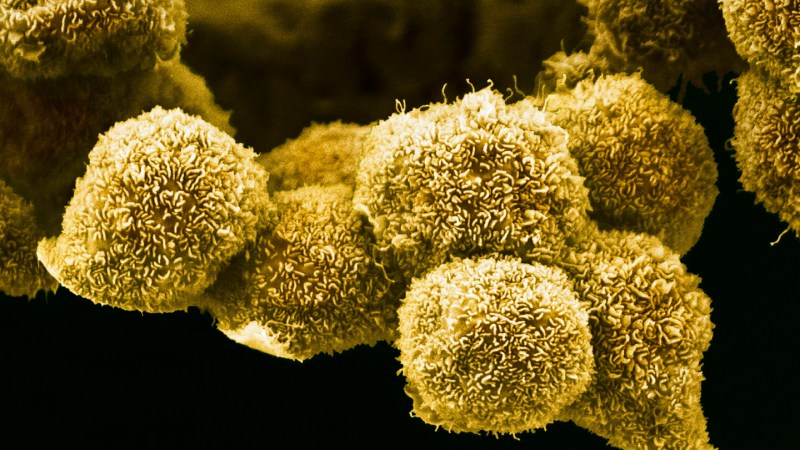
The recent approval of Daraxonrasib as a new treatment for pancreatic cancer represents a significant breakthrough in the fight against one of the most lethal forms of cancer. This innovative pill not only nearly doubles survival time for patients but also employs a novel mechanism of action by directly targeting a cancer protein that drives cell growth. As we reflect on this advancement, it is crucial to consider the broader implications it holds not only for cancer treatment but also for the ongoing discourse surrounding medical innovation and patient care. Similar discussions are echoed in articles such as Damaged DNA can spread between human cells. What could that mean for cancer? and Three Die On Cruise Ship After Suspected Hantavirus Outbreak, WHO Investigates Cases, which highlight the complexities and interconnectivities within the field of medical research.
The introduction of Daraxonrasib aligns with an increasing trend towards personalized medicine, where treatments are tailored to the specific characteristics of a patient's tumor. This approach signifies a shift away from one-size-fits-all therapies, which often yield disappointing results for certain patient populations. The ability of Daraxonrasib to "bear-hug" a specific cancer protein illustrates the power of targeted therapies that disrupt the cancerous growth at its source, potentially offering a more effective treatment strategy for patients who have limited options.
Moreover, this development emphasizes the importance of continued investment in research and innovation. The journey from bench to bedside for any new medication is fraught with challenges, requiring rigorous testing and validation to ensure efficacy and safety. As highlighted in related discussions about the implications of genetic factors in cancer, such as the research on 4,000 Sheep and Goats Die After Livestock Carrier Catches Fire And Sinks Off Oman, it is imperative that researchers not only focus on the immediate outcomes of new treatments but also consider the broader ecosystem of health care, including the ethical implications of their findings.
The promising results of Daraxonrasib raise critical questions regarding health disparities and access to innovative therapies. While this advancement may signal hope for many, it is essential to ensure that such treatments are accessible to all patients, regardless of socioeconomic status or geographic location. As we celebrate this milestone, we must remain vigilant about the potential barriers that could prevent equitable access to life-saving medications.
Looking forward, the emergence of Daraxonrasib invites us to ponder the future of cancer treatment and the potential for further advancements in the field. Will we see a proliferation of similar targeted therapies that revolutionize the treatment of other malignancies? As the scientific community continues to work collaboratively toward innovative solutions, it is our responsibility to advocate for a health care framework that prioritizes both scientific integrity and patient accessibility. The implications of this groundbreaking development resonate beyond the confines of oncology, challenging us to rethink our approach to health care as a whole.
Read on the original site
Open the publisher's page for the full experience