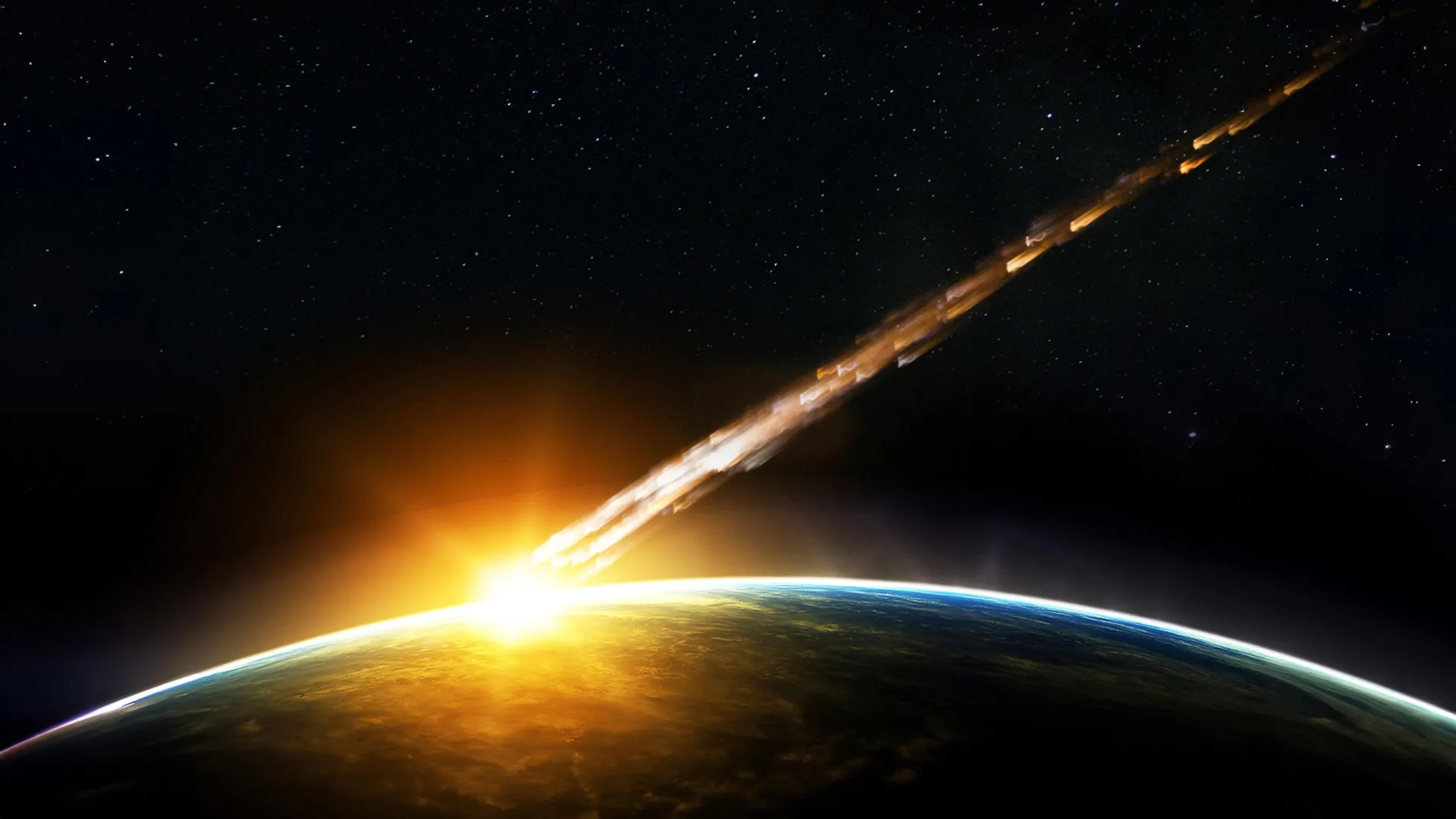
The recent confirmation of the Silverpit Crater’s origin as the impact site of a substantial asteroid offers a compelling reminder of the dynamic and often violent history of our planet. For years, the crater’s formation has been a subject of scientific debate, with various hypotheses proposed. Now, through the application of advanced seismic imaging and the identification of distinctive shocked minerals, researchers have definitively established that a roughly 160-meter asteroid struck the North Sea seabed approximately 43 to 46 million years ago. This event, resulting in a tsunami exceeding 100 meters (330 feet), underscores the capacity of seemingly distant cosmic events to profoundly shape terrestrial environments. It’s a perspective that resonates with our ongoing efforts to understand the complex interplay between Earth's systems, as highlighted in our recent piece exploring To Study Earth’s Climate, Look to the Ocean, demonstrating how oceanic processes serve as critical climate indicators. Furthermore, the potential for abrupt environmental shifts, even those originating from extraterrestrial sources, finds parallels in our analysis of Human dimensions of harmful algal blooms in coastal Peru, where localized ecological disruptions can rapidly escalate into complex societal challenges.
The significance of this discovery extends beyond simply resolving a geological puzzle. It reinforces the understanding that Earth’s history is punctuated by impactful events—asteroid strikes, volcanic eruptions, and shifts in tectonic plates—that have fundamentally altered the planet's landscape and biological trajectory. While such events are relatively infrequent in human timescales, their potential for disruption remains very real. The Silverpit impact serves as a tangible example of a force capable of generating massive tsunamis and triggering widespread environmental changes. This has implications for hazard assessments and coastal vulnerability studies, compelling further investigation into the geological record to identify similar potential impact sites and their associated risks. The event also provides valuable data points for refining models of asteroid impact dynamics and their consequences, contributing to a more complete understanding of the broader planetary context within which life on Earth has evolved. The data also feeds into the broader discussion of global climate assessments, as explored in Assessing the Global Climate in 2020, demonstrating the ongoing need for comprehensive monitoring and analysis of Earth’s changing climate.
The precision of the dating – narrowing the impact event to a relatively short window of 43 to 46 million years ago – is particularly noteworthy. This level of temporal resolution allows researchers to correlate the impact event with other geological and paleoclimate data, potentially revealing its influence on regional and global environments during that period. It prompts questions about the potential impact on early mammal evolution, ocean circulation patterns, and even the distribution of plant life. The discovery also highlights the importance of continued investment in advanced geophysical techniques, such as seismic imaging, which are crucial for probing the Earth’s subsurface and uncovering hidden geological histories. The painstaking work of analyzing rock samples and identifying those rare shocked minerals speaks to the dedication and rigor of scientific inquiry, a process validated by empirical evidence and peer-reviewed research.
Ultimately, the Silverpit Crater discovery prompts a forward-looking question: how well are we prepared to detect and potentially mitigate the threat of future asteroid impacts? While the probability of a similar event occurring in the near future is low, the potential consequences are catastrophic. Continued investment in space-based observation systems and planetary defense strategies, coupled with a deeper understanding of Earth’s vulnerability to such events, will be essential for safeguarding the planet and its inhabitants. The scientific community’s ability to reconstruct past events like the Silverpit impact provides a crucial foundation for developing more effective strategies for assessing and responding to future risks.