A “lost world” beneath the North Sea was once full of forests
Our take
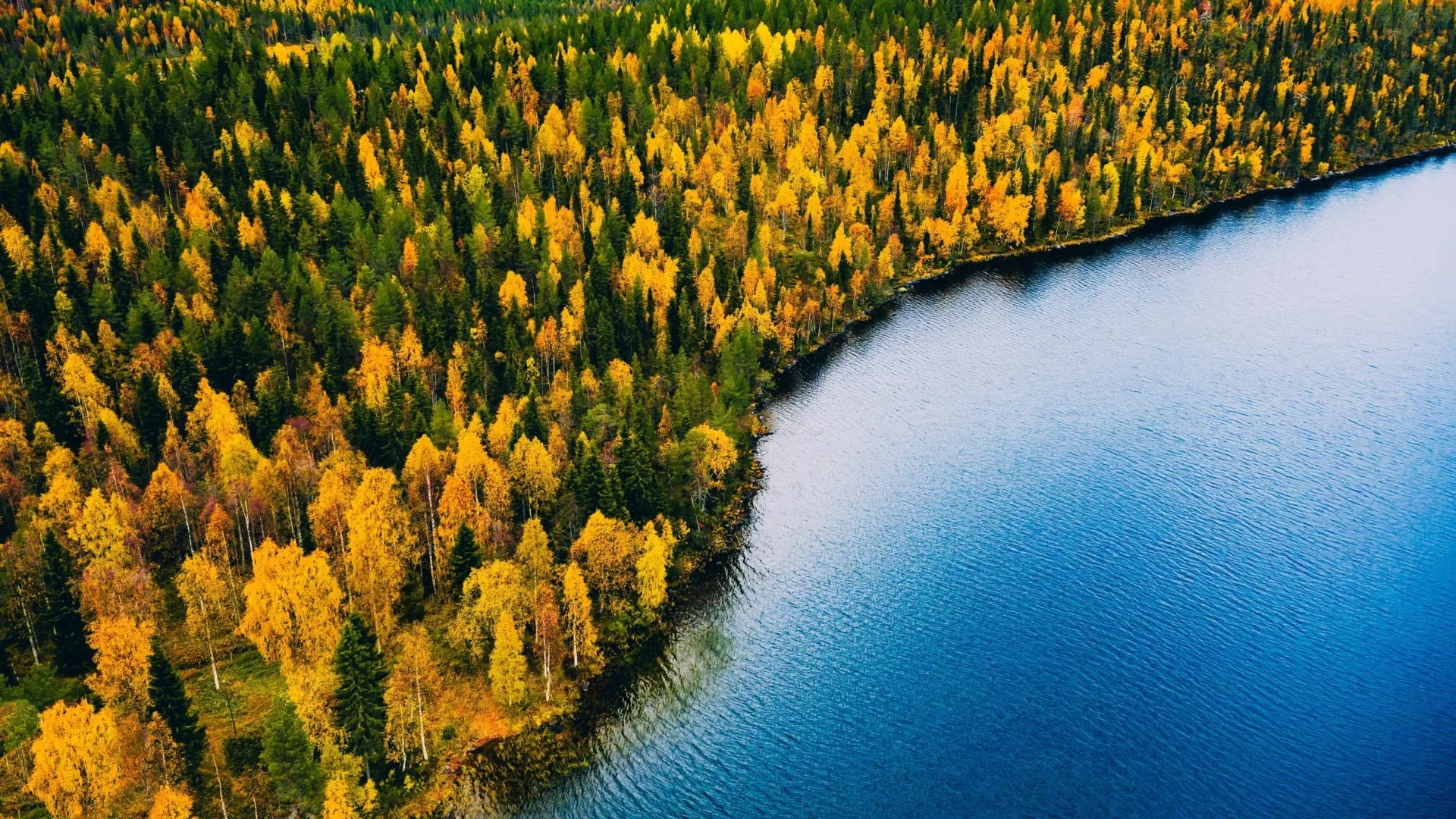
The recent discovery of a “lost world” beneath the North Sea, known as Doggerland, sheds new light on the complexity of Earth's historical ecosystems, revealing a landscape rich with biodiversity long before it was submerged. New DNA evidence indicates that forests of oak, elm, and hazel flourished there over 16,000 years ago, challenging previous assumptions about the timeline of vegetation in this region. This finding not only enhances our understanding of ancient climates and ecosystems but also underscores the ongoing relevance of such historical insights in our current discussions about climate change and ocean health. Similar themes can be seen in our coverage of initiatives like the U.S, Philippines & Partner Nations Sink 2 Decommissioned Ships In Balikatan Exercise, where collaborative efforts aim to enhance marine environments, and the advancements in renewable energy explored in China Installs World’s Largest Single-Unit Floating Offshore Wind Power Platform.
Understanding the ecological history of regions like Doggerland helps us appreciate the resilience and adaptability of ecosystems in the face of climate change. The detection of tree species that were previously thought lost to the region hundreds of thousands of years ago adds a layer of intrigue to our understanding of biodiversity. It raises critical questions about how past ecosystems responded to significant climatic shifts and offers valuable insights into the potential for ecological recovery in the present and future. This knowledge is increasingly vital as we grapple with contemporary environmental challenges, particularly in coastal areas vulnerable to rising sea levels—a theme that resonates with our ongoing exploration of sustainable practices, such as those highlighted in our piece on Gender, technology, and labor in small-scale aquaculture in Chile.
The implications of these discoveries extend beyond mere academic interest; they inform our strategies for conservation and environmental management. As we witness the impacts of climate change accelerating, the lessons learned from Doggerland may guide us in rethinking how we approach ecosystem restoration. The past offers a roadmap for resilience; understanding which species thrived under historical climatic conditions can inform our efforts to cultivate biodiversity in today’s altered landscapes.
In light of this newfound historical perspective, we must consider the urgency of integrating such insights into current conservation efforts. How can we leverage our understanding of ancient ecosystems to foster resilience in modern marine environments? As scientists and policymakers strive for innovative solutions to combat climate change, it is crucial to examine how historical data can inform present and future strategies for ocean stewardship. The rediscovery of Doggerland serves as a poignant reminder of our shared responsibility to protect and restore the health of our planet's oceans, encouraging us to reflect on the legacies we leave for future generations.
Read on the original site
Open the publisher's page for the full experience