•1 min read•from Oceanography News -- ScienceDaily
A hidden Antarctic shift unleashed the carbon that warmed the world
Our take
A significant shift in deep-ocean circulation around Antarctica played a crucial role in releasing long-stored carbon into the atmosphere as the last Ice Age came to an end. Evidence from deep-sea sediments reveals that ancient Antarctic waters had trapped vast amounts of carbon, which were subsequently released during two major warming events. Understanding these historical shifts is vital for scientists today, as it provides insights into how modern Antarctic melting may further accelerate climate change, underscoring the urgency of addressing ocean health and climate stability.
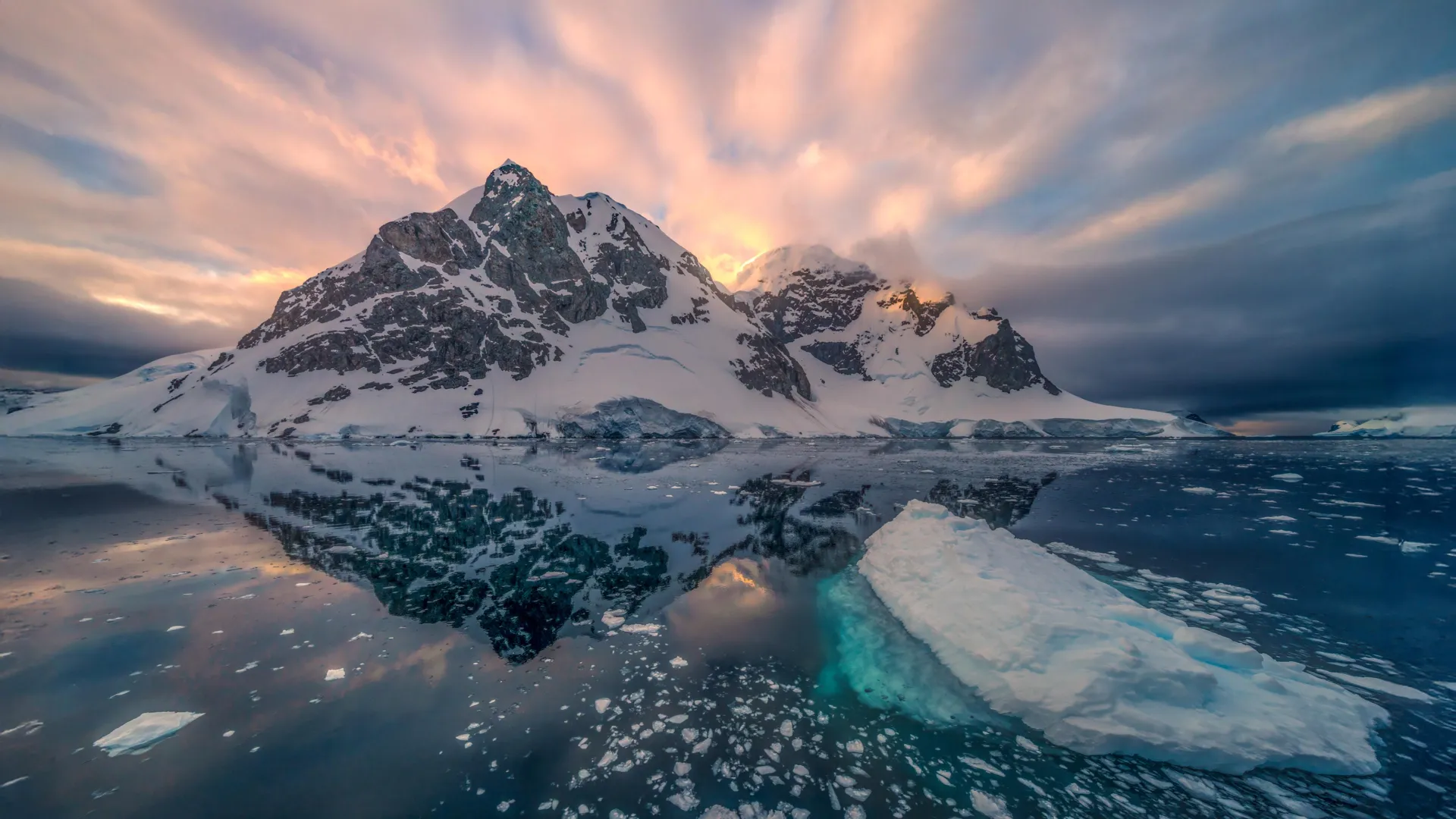
As the last Ice Age waned and the Holocene dawned, deep-ocean circulation around Antarctica underwent dramatic shifts that helped release long-stored carbon back into the atmosphere. Deep-sea sediments show that ancient Antarctic waters once trapped vast amounts of carbon, only to release it during two major warming pulses at the end of the Ice Age. Understanding these shifts helps scientists predict how modern Antarctic melt may accelerate future climate change.
Read on the original site
Open the publisher's page for the full experience
Related Articles
- Scientists just uncovered a 3 million-year climate mystery in Antarctic iceAncient Antarctic ice is revealing a surprising new chapter in Earth’s climate story, stretching back 3 million years. By analyzing tiny pockets of trapped air and rare gases, scientists have discovered that while the planet cooled significantly—especially in the oceans—levels of key greenhouse gases like carbon dioxide and methane changed only modestly. This unexpected mismatch suggests other powerful forces, such as shifting ice sheets, ocean circulation, and Earth’s reflectivity, played major roles in driving long-term climate change.
- Earth’s most powerful ocean current didn’t form the way we thoughtA colossal ocean current encircling Antarctica—stronger than all the world’s rivers combined—played a far more complex role in shaping Earth’s climate than scientists once thought. New research shows it didn’t form just because ocean gateways opened, but required shifting continents and powerful winds to align. This shift helped pull carbon dioxide out of the atmosphere, contributing to a major cooling event that transformed Earth into the ice-covered world we know today.