Our Take: Ancient Melt Reveals Antarctica's Vulnerability to Rapid Ice Loss
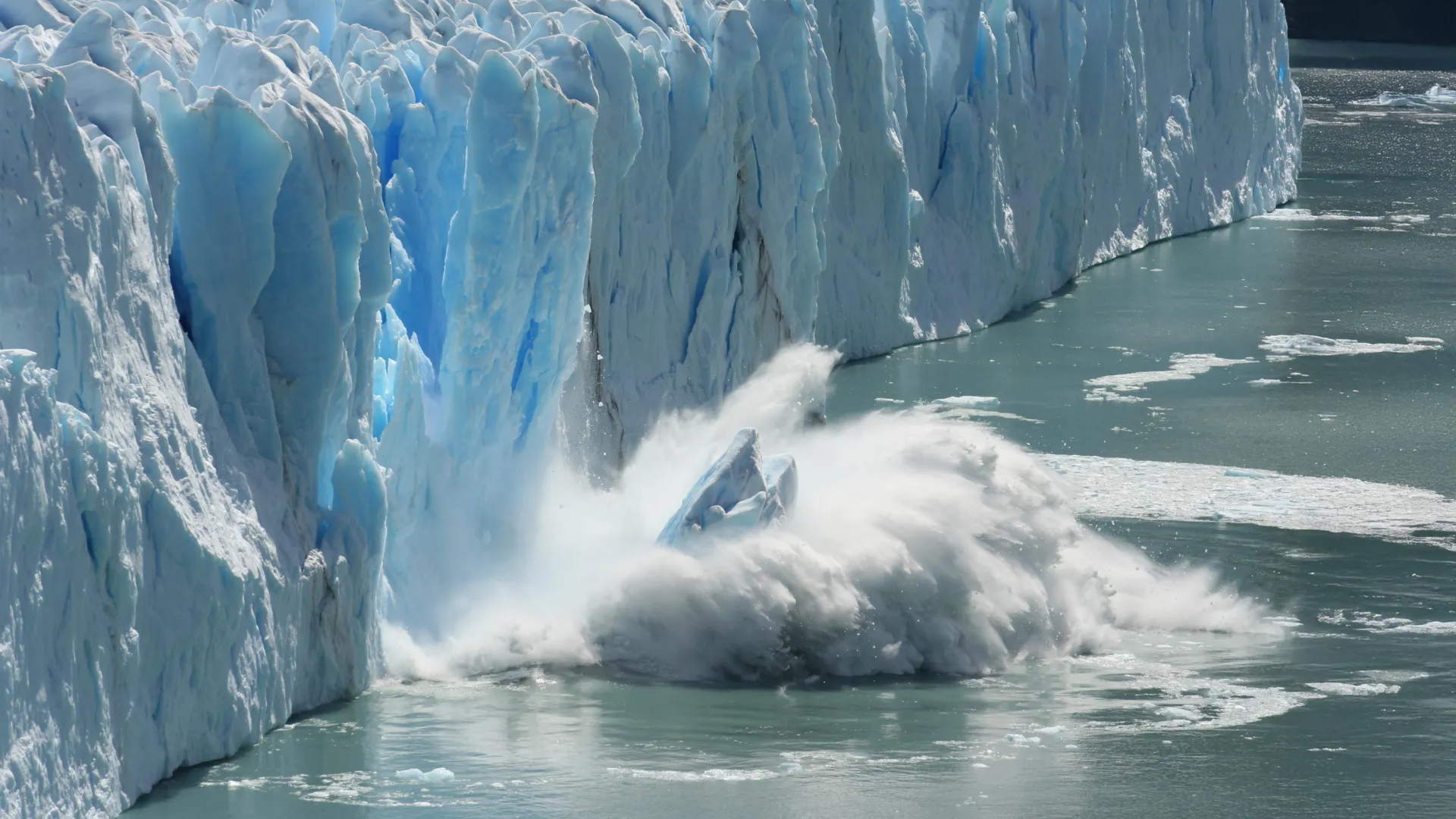
The recent discovery of a dramatic meltdown in East Antarctica around 9,000 years ago offers a critical, albeit sobering, perspective on the continent's susceptibility to rapid ice loss. This event, driven by the intrusion of warm deep ocean water beneath floating ice shelves, underscores a fundamental vulnerability that transcends millennia. The research reveals a complex, interconnected system where the initial collapse of ice shelves triggered a "cascading positive feedback." This means that melting in one area did not occur in isolation but rather accelerated melting elsewhere through the intricate network of ocean currents. Such findings are vital for our understanding of ice sheet dynamics, providing empirical evidence that even regions historically considered more stable can be profoundly affected by shifts in oceanographic conditions. This historical precedent serves as a powerful reminder that the ocean's influence on ice sheet stability is a dynamic and potentially swift process.
Understanding these historical feedback loops is not merely an academic exercise; it is fundamental to our ability to forecast future ice loss and its global implications. The interconnectedness highlighted by this ancient event emphasizes the need for integrated data ecosystems that can monitor ocean currents, ice shelf integrity, and continental ice mass simultaneously. Real-time, validated data from a global network of sensors is essential to detect early warning signs of similar processes unfolding today. The scientific community's ability to piece together these past events through rigorous, peer-reviewed research allows us to calibrate our current models and improve the precision of our projections. This historical insight transforms our approach from reactive observation to proactive intelligence, enabling more informed decision-making for climate adaptation and mitigation strategies.
The implications of this research extend far beyond the scientific realm, resonating with the urgent need for global collaboration in ocean stewardship. The cascading nature of ice loss demonstrates that changes in one part of the Earth system have far-reaching consequences. Therefore, safeguarding the planet's ice sheets requires a unified, purpose-driven approach. By integrating diverse datasets and fostering cross-disciplinary dialogue, we can build a more comprehensive picture of ocean-ice interactions. This shared knowledge empowers us to collectively address the challenges posed by rising sea levels and the critical role Antarctica plays in regulating our planet's climate. Ultimately, understanding the lessons of the past, as revealed through scientific inquiry, is paramount to securing a stable future for our oceans and the world they sustain.