•1 min read•from Oceanography News -- ScienceDaily
9,000-year-old ice melt shows how fast Antarctica can fall apart
Our take
Research reveals that approximately 9,000 years ago, East Antarctica experienced a significant meltdown driven by warm deep ocean water infiltrating beneath its floating ice shelves. This intrusion led to the collapse of these ice structures, triggering a cascading effect of ice loss throughout the continent. The findings illustrate a critical "cascading positive feedback" mechanism, wherein melting in one area accelerates further melting in others due to interconnected ocean currents.
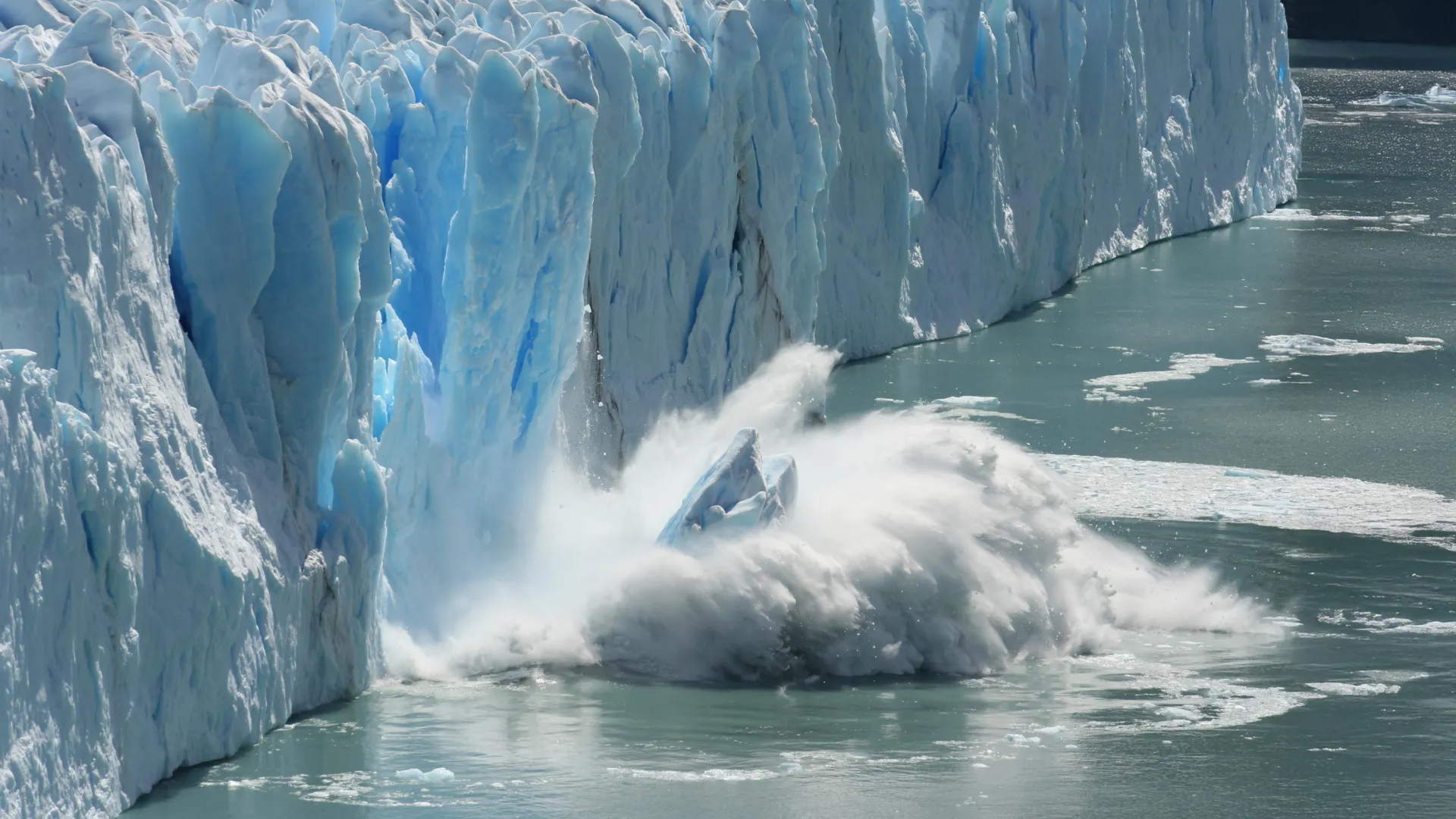
Around 9,000 years ago, East Antarctica went through a dramatic meltdown that was anything but isolated. Scientists have discovered that warm deep ocean water surged beneath the region’s floating ice shelves, causing them to collapse and unleashing a domino effect of ice loss across the continent. This process created a “cascading positive feedback,” where melting in one area sped up melting elsewhere through interconnected ocean currents.
Read on the original site
Open the publisher's page for the full experience